
Selling a House Fast in Tampa: Insurance, Roofs, and the 2026 Market
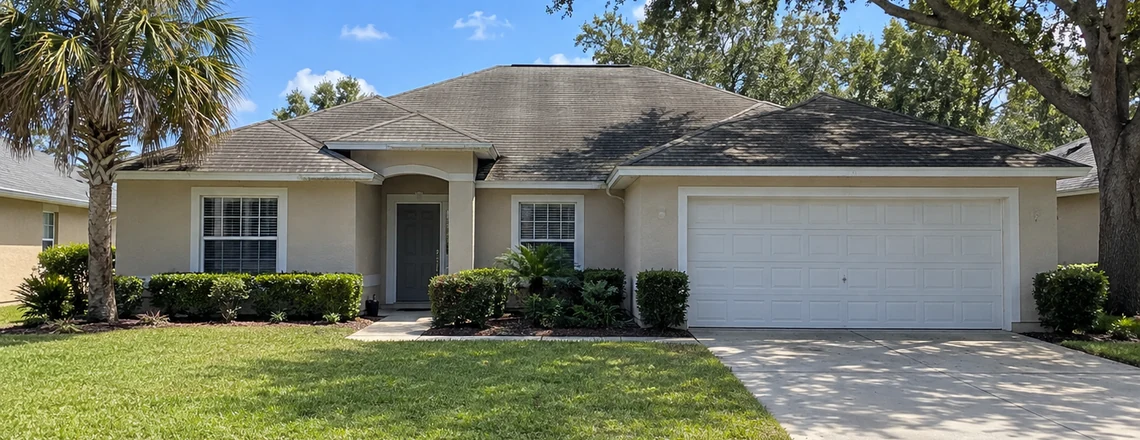
Most advice about selling a house fast in Tampa skips the part that actually decides your timeline. It is not the paint color and it is not the listing photos. It is whether an insurance company will write a policy on your house, because a buyer with a mortgage cannot close without one. Roof age, a four-point inspection, a flood claim from three years ago: any of those can turn a normal sale into a cash-only sale, and most sellers find out in week six instead of on day one. This guide walks through the current Hillsborough County numbers, the Florida rules that govern roofs and disclosure, what every extra month of waiting actually costs, and how an as-is cash sale works when speed matters more than squeezing out the last dollar.
Key highlights
- The market is flat, not falling. Hillsborough County single-family homes sold at a median of $419,900 in August 2026, down 0.8% from a year earlier, with closed sales down 14.0%.
- Contract is fast, closing is slow. The median house went under contract in 35 days but took 74 days from listing to closing. That 39 day gap is mostly the buyer’s lender.
- Florida law protects a roof under 15 years old from an age-only refusal. Past 15 years, an inspection showing 5 or more years of useful life does the same job.
- Houses over 20 years old draw a four-point inspection on electrical, plumbing, heating and cooling, and the roof, which is where a lot of Tampa deals quietly die.
- You must disclose a flood claim in writing before the contract is signed. You do not have to repair anything to sell.
- An as-is cash sale skips the lender, the insurer, the repairs and the cleanout, and closes in as little as two to three weeks.
The short answer
You can sell a Tampa house fast in 2026, and there are exactly two routes that deserve the word “fast.” Route one: list it in insurable condition, price it against what is actually closing in your ZIP code rather than what your neighbor listed at in 2022, and accept that a financed buyer’s lender, appraiser and insurance carrier will set your calendar. In Hillsborough County that realistically means about two and a half months from sign in the yard to money in your account. Route two: sell as-is to a cash buyer, where the offer arrives in about a day, nobody underwrites your roof, and the closing lands in two to three weeks once the title work is clear. Everything else, including relisting after a financed deal collapses over the four-point, is the slow route in a fast costume.
What the Tampa market actually looks like right now
Skip the headlines and read the county data. For Hillsborough County single-family homes in August 2026, the median sale price was $419,900, down 0.8% from August 2025. Closed sales came in at 1,134, down 14.0% year over year. Active inventory was 4,625 listings, down 6.4%, and months supply sat at 3.9, below the 5.5 months Florida Realtors treats as a balanced market. Sellers got 96.8% of their original list price at the median, slightly better than a year ago.
Put those together and you get an honest picture: prices are flat, volume is thin, and inventory is not piling up. This is not a crash and it is not a boom. It is a market where a clean, correctly priced house still finds a buyer in about five weeks, and where an overpriced or hard-to-insure house sits until the seller gets tired. Statewide the pattern is the same. Florida’s August single-family median was $415,000, up just over 1%, with closed sales off about 1.5% and inventory down 13%.
The most useful number in that whole report is the one nobody quotes. Median time to contract was 35 days. Median time to sale was 74 days. The 39 days in between are not spent finding a buyer. They are spent waiting on the buyer’s loan, appraisal and insurance quote, and that is precisely the stretch where deals fall apart. About one sale in five closed for cash (241 of the 1,134), and those are the ones that do not have that 39 day window to survive.
The roof decides who can buy your house
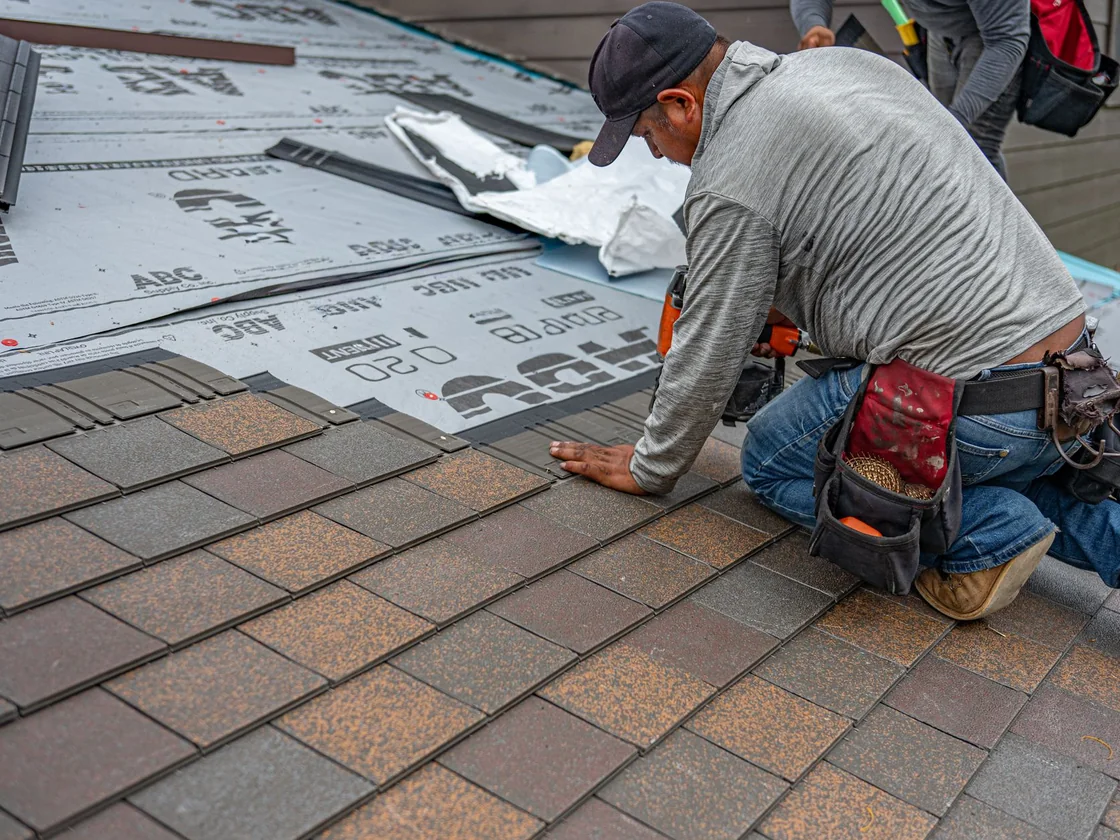
Florida wrote the roof rules into statute, and they cut both ways. Under Florida Statutes section 627.7011, an insurer may not refuse to issue or renew a homeowners policy on a residential structure with a roof less than 15 years old solely because of the age of the roof. Once the roof hits 15 years, the insurer has to let you pay for an inspection by an authorized inspector before it can require a replacement as a condition of coverage, and it still may not refuse solely on roof age if that inspection shows the roof has 5 or more years of useful life remaining.
That is real protection, and plenty of Tampa sellers do not know they have it. It is also narrower than it sounds. The law stops an age-only refusal. It does not order anyone to insure a roof that is genuinely worn out, and it does not stop a carrier from declining for the condition an inspector actually found. If the report says two years left, you are back to the same fork every seller with an old roof faces: pay for a new roof on a house you are leaving, or let the price reflect the roof and sell it as it stands.
The quiet rule of the Tampa market: a house an insurer will not write is a cash-only house, no matter how it is listed or how well it shows.
A financed buyer needs a bound policy to close. If the policy does not bind, the loan does not fund, and you are back on the market in week six with a stale listing.
The four-point inspection and the rest of the insurance file
Roof age is one line in a bigger report. For older houses, carriers order a four-point inspection covering electrical, plumbing, heating and cooling, and the roof. Citizens Property Insurance, the state-backed carrier, requires one for all property owner, dwelling and mobile home applications on properties more than 20 years old, and private carriers set thresholds in a similar range. A lot of Tampa’s housing stock, from the bungalows in Seminole Heights to the block-and-stucco houses out toward Brandon, is comfortably past that line.
The flip side is worth knowing too. Florida Statutes section 627.0629 requires insurers to give actuarially reasonable discounts for verified wind-resistant construction: roof strength, roof covering, roof-to-wall strength, opening protection, and window, door and skylight strength. A current wind mitigation report on a house with hurricane straps and decent openings can pull a buyer’s quote down enough to save a deal that looked dead. If your house has those features and no paperwork proving it, that report is one of the cheapest things you can do before listing.
The wider insurance market has eased a little, which helps. Citizens recommended a statewide average rate decrease of 2.6% for personal lines in 2026, with three out of five of its policyholders seeing an average reduction of $359, or 11.5%, effective June 1, 2026. Citizens itself has shrunk from about 1.42 million policies at its October 2023 peak toward a projected 385,000 by the end of 2025 as private carriers took policies back. Easier is not the same as easy. None of that helps if the carrier looks at your specific house and says no. If the premium itself is what is pushing you out the door, we wrote about that here: selling when you can no longer afford Florida insurance.
Flood zones, disclosure, and what you owe a buyer
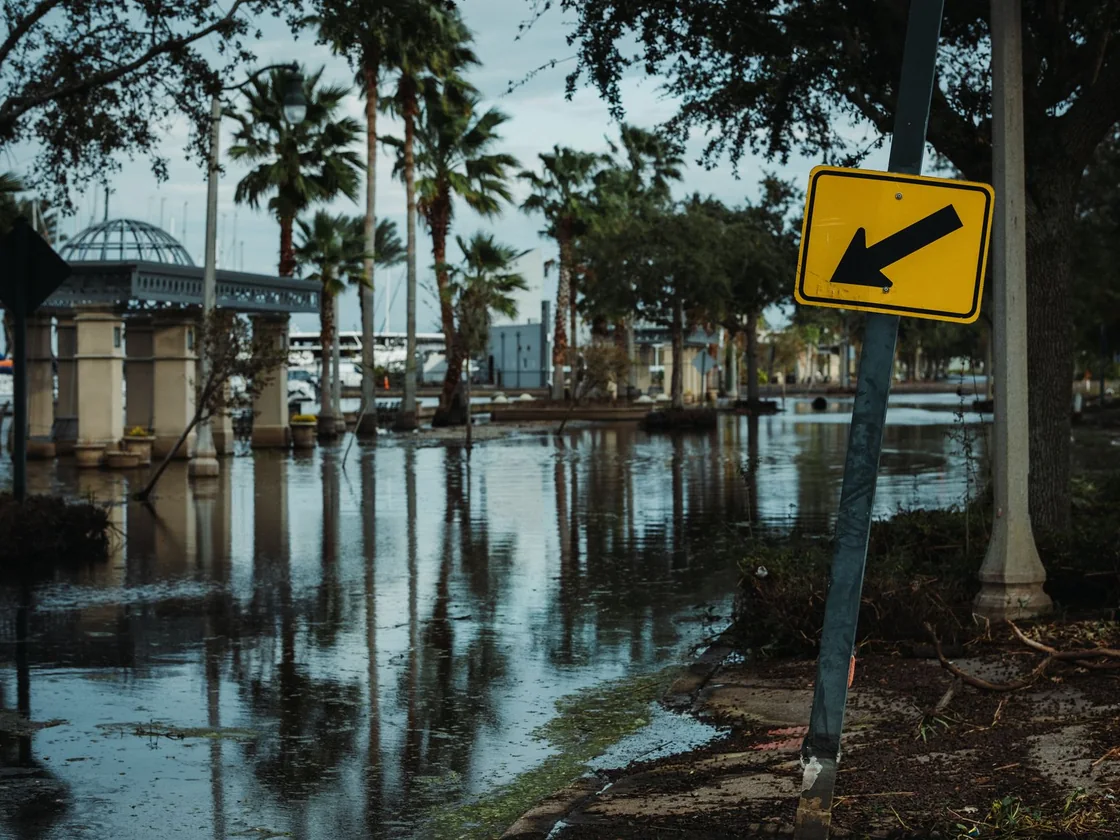
Tampa Bay sits low, and a lot of Hillsborough County houses carry a water story. Florida tightened the rules on telling it. Florida Statutes section 689.302, added by chapter 2024-215, requires a residential seller to give the buyer a flood disclosure at or before the time the sales contract is executed. The form asks two plain questions: whether you have filed a claim with an insurance provider relating to flood damage, and whether you have received federal assistance for flood damage. It also tells buyers to ask about separate flood coverage, since a standard homeowners policy does not include it.
That statute sits on top of a duty Florida sellers have carried since 1985. In Johnson v. Davis, 480 So. 2d 625, the Florida Supreme Court held that when a seller of a home knows facts materially affecting the value of the property that are not readily observable and are not known to the buyer, the seller has a duty to disclose them. Water that came in during a storm surge, a slab that has been wet twice, a roof leak you patched yourself: those belong in the conversation.
Here is the part sellers get backwards. Disclosure is required. Repair is not. You are allowed to sell the house exactly as it stands, with the tarp still up and the drywall still cut, as long as you tell the truth about it. What you cannot easily do is sell that house to a financed buyer, because the lender and the insurer will both decline. That is the specific gap cash buyers exist to fill, and we covered the Florida version of it in detail in selling a hurricane-damaged house as-is in Florida.
What waiting really costs in Hillsborough County

“We’ll wait for a better market” is a plan with a payment schedule attached. Start with the county. The Hillsborough County Tax Collector gives a 4% discount for paying in November, 3% in December, 2% in January and 1% in February. Taxes go delinquent on April 1, when 3% interest and advertising costs are added. On a $5,000 tax bill that is a $200 swing between paying early and paying in February, and a $150 penalty plus advertising the moment you cross April 1.
Then add the rest: the homeowners premium, the flood policy if you carry one, power and water on a house nobody lives in, lawn service so code enforcement stays quiet, and the mortgage if there still is one. Six months of holding an ordinary Tampa house adds up to real money, and the market data above says prices are flat, not climbing. For that wait to pay off, the market has to move enough to cover every one of those months plus the hurricane risk you carried from June through November. That is a bet, not a plan.
None of this argues for panic. It argues for deciding. Drifting is the only choice on the menu that guarantees you pay for the delay and get nothing for it.
Your options, side by side
For a Tampa seller who cares about speed and certainty, the real menu is short:
| Your option | Best when | The trade-off |
|---|---|---|
| Repair, then list with an agent | The roof and systems are insurable or nearly so, and you can fund repairs and wait out a financed buyer | Money up front, showings, and roughly 74 days from listing to closing at the county median, with the lender controlling the back half |
| List as-is with an agent | The house is dated but a carrier will still write it, and you can absorb inspection renegotiation | The four-point still happens, the insurer still votes, and rough houses tend to sit and then sell to an investor anyway, minus the commission |
| Sell as-is for cash | Roof age, a flood claim, an inherited house, a relocation or a deadline makes a financed sale unrealistic | The price reflects the condition and the work left; in exchange there are no repairs, no cleanout, no showings, no financing risk, and a closing in two to three weeks |
| Wait for a better market | You genuinely do not need to sell and can fund the carrying costs indefinitely | Taxes, insurance and upkeep every month against a median price that fell 0.8% year over year, plus another hurricane season each June |
How a fast as-is cash sale works here
The mechanics are refreshingly boring, which is the point. You describe the house honestly, including the roof age, the claim history and anything you would rather not mention, and you get a written cash offer, usually within about 24 hours. If you accept, a Hillsborough County title company takes it from there: confirming the title, pulling payoffs, and clearing liens or delinquent taxes straight out of the proceeds at closing so you never write a check. There is no lender, so there is no appraisal, no financing contingency and no underwriter deciding in week six whether your roof is acceptable. Closing lands on the date you choose, as soon as roughly two to three weeks out with clean title, or later if you need time to move. You take what you want and leave the rest.
If you want the plain-English version of what “as-is” actually covers, start here: what selling a house as-is really means. For the honest day-count on a cash closing, we broke it down here: how fast you can sell a house for cash. And if this is an inherited Tampa house, Florida probate has its own calendar: selling an inherited house in Florida.
How Sterling Home Offer helps
We buy single-family houses for cash across Tampa and Hillsborough County, and hard-to-insure houses are our normal workload rather than the exception. The promise is short. A no-obligation cash offer within about 24 hours, based on the real condition of the house and real nearby sales, not a headline number that shrinks at the closing table. Strictly as-is: old roof, dated panel, unfinished storm repairs and a full garage are all fine, disclosed and priced honestly. No agent commissions and no fees, so the offer is the number you walk away with. And your timeline is the timeline, whether that means a closing in a couple of weeks or a date parked until your move or your probate paperwork is ready. You can see the wider Florida picture on our Florida cash buyer page, and the Southwest Florida version of this same guide is here: selling fast in Fort Myers or Cape Coral.
The bottom line
Selling fast in Tampa comes down to matching the route to the house. An insurable house priced for today’s numbers can do perfectly well with an agent, on the market’s schedule of roughly 35 days to contract and 74 to closing. A house with a roof past its useful life, a flood claim in its history, or a seller with a date on the calendar has a cleaner route: an as-is cash sale where no lender and no underwriter holds the pen. Either way, the worst plan in this market is waiting for something to change. The carrying costs are real, hurricane season is annual, and prices are flat. Pick the route, then move.
Need to sell a house fast in Tampa?
We buy Tampa and Hillsborough County houses as-is for cash: old roofs, flood history and full garages welcome. No repairs, no fees, no showings. Get a no-obligation cash offer in 24 hours and pick your closing date.
Get my cash offer or call (888) 480-5544Tampa seller FAQs
How fast can I really sell a house in Tampa?
Two honest timelines. On the open market in Hillsborough County, the median single-family house that closed in August 2026 took 35 days to go under contract and 74 days from listing to closing, so plan on roughly two and a half months if nothing goes wrong. With a cash buyer there is no lender, so the clock is set by the title work instead: an offer in about a day and a closing in as little as two to three weeks once the title company confirms the title is clean.
Can an insurer refuse a policy just because my roof is old?
Not if the roof is under 15 years old. Florida Statutes section 627.7011 says an insurer may not refuse to issue or renew a homeowners policy on a residential structure with a roof less than 15 years old solely because of the roof’s age. At 15 years and older, the insurer has to let you pay for an inspection by an authorized inspector first, and it still may not refuse solely on roof age if that inspection shows the roof has 5 or more years of useful life left. What the law does not do is force anyone to insure a roof that is genuinely finished.
What is a four-point inspection and will my house need one?
It is an underwriting report on four systems: electrical, plumbing, heating and cooling, and the roof. Citizens Property Insurance requires one for all property owner, dwelling and mobile home applications on properties more than 20 years old, and private carriers set thresholds in a similar range. Most of Tampa’s older housing stock lands inside that rule, which is why the four-point often decides whether a financed buyer can close at all.
Do I have to tell a buyer the house flooded?
Yes. Since the 2024 change to Florida Statutes section 689.302, a residential seller has to give the buyer a flood disclosure at or before the time the sales contract is signed, stating whether you have filed a flood damage claim with an insurance provider and whether you have received federal assistance for flood damage. Separately, Johnson v. Davis has required Florida sellers since 1985 to disclose known facts that materially affect value and are not readily observable. Disclosing is required. Repairing is not.
Is Tampa a buyer’s market right now?
It is somewhere in between, and the numbers say so plainly. Hillsborough County single-family closed sales in August 2026 were down 14.0% from a year earlier, but active inventory was also down 6.4% and months supply sat at 3.9, under the 5.5 months Florida Realtors treats as balanced. Sellers still got 96.8% of their original list price at the median. Prices are flat, volume is thin, and buyers negotiate. Nobody is getting rescued by the market, and nobody is getting crushed by it either.
Do I need to repair anything or empty the house before a cash sale?
No. As-is means as it stands: the old roof, the dated panel, the storm repairs you never finished, the garage you have not emptied. Take what you want to keep and leave the rest, and the buyer handles the cleanout after closing. The price reflects the work that is left, and in exchange you skip the contractor phase, the showings and the financing risk entirely.
What happens to my unpaid property taxes when I sell?
They come out of the proceeds at closing, so you do not need cash up front to clear them. Hillsborough County bills give a 4% discount in November that steps down to 1% by February, and unpaid taxes go delinquent on April 1, when 3% interest and advertising costs are added. If you are already past that point, say so early. A title company can pay the county directly out of the closing figures.
Sources
- Florida Realtors and Greater Tampa Realtors, Monthly Market Detail, Hillsborough County Single-Family Homes, August 2026 (released September 16, 2026)
- Florida Realtors, “Florida housing market levels off in August,” September 2026
- Florida Statutes section 627.7011, Homeowners’ policies, offer of replacement cost coverage and roof age provisions
- Florida Statutes section 627.0629, Residential property insurance rate filings and windstorm mitigation discounts
- Florida Statutes section 689.302, Flood disclosure in the sale of residential real property
- Citizens Property Insurance Corporation, Inspections (four-point and wind mitigation requirements)
- Citizens Property Insurance Corporation, “Citizens Recommends Rate Cuts for Most Policyholders,” December 2025
- Hillsborough County Tax Collector, Real Estate Tax Discount Periods
- Johnson v. Davis, 480 So. 2d 625 (Fla. 1985), seller’s duty to disclose material defects
This article is general information, not legal, tax or insurance advice. Florida statutes, insurance underwriting practices, county tax deadlines and market conditions all change over time, and every sale is different. Confirm your own situation with licensed Florida professionals before making decisions about your home.