
Hurricane Damage in Florida? How to Sell Your House As-Is
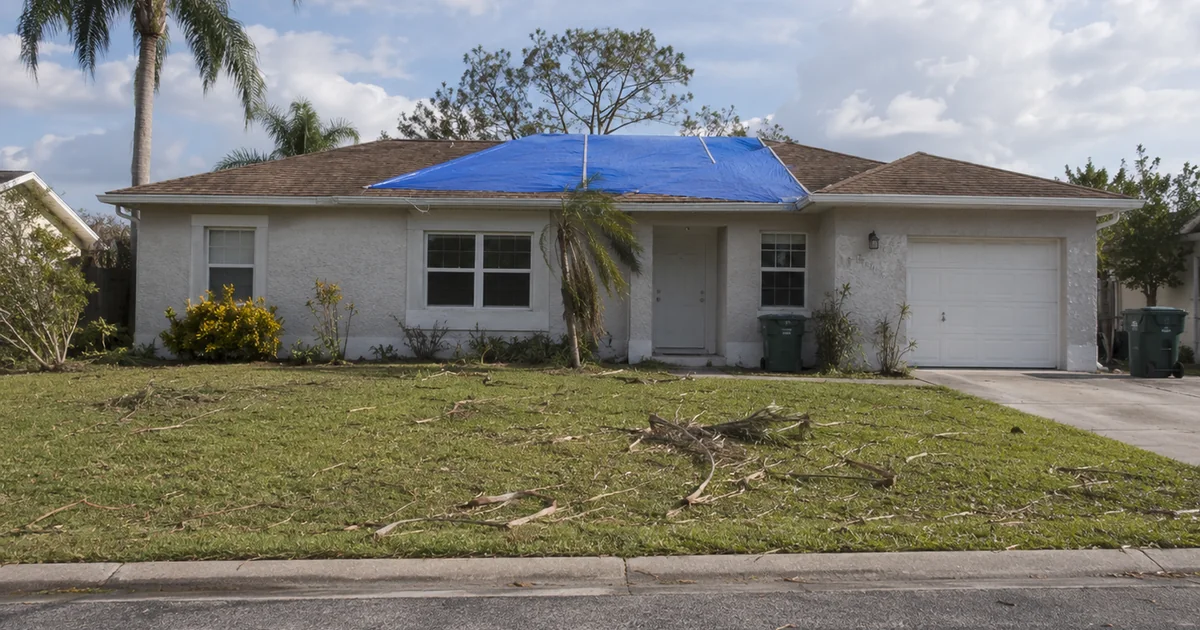
A hurricane can turn the home you love into a problem you did not ask for. The roof is torn up, water got inside, the insurance claim is dragging, and every contractor in the county is booked for months. If you are a Florida homeowner staring at a damaged house and wondering whether you have to sink your savings and the next year of your life into repairs, here is the part nobody tells you clearly: you do not have to fix it to sell it. You can sell the house exactly as it sits right now, storm damage and all, for cash. This guide walks through what selling as-is really means, why storm repairs trap so many Florida owners, what happens to your insurance claim, and how a cash sale closes before the repairs ever begin.
Key highlights
- You can sell a storm-damaged house in Florida in its current condition. A cash buyer makes an offer on the home as-is, so you repair nothing.
- Florida hurricane season runs June 1 to November 30, and hurricane claims often carry a separate percentage deductible, so repairs can cost far more out of pocket than owners expect.
- Standard homeowners insurance generally covers wind damage but not flood, which is a common reason a claim comes back smaller than the repair bill.
- A cash buyer skips the contractor waitlists and appraisal delays and can close in days, letting you walk away without a year of repairs.
The short answer
Yes, you can sell a hurricane-damaged house in Florida, and for a lot of owners it is the sanest way out. You do not have to repair the roof, dry out the drywall, or wait on an insurance settlement before you sell. A cash buyer looks at the home in its current state, factors the damage into a fair offer, and buys it as-is. That means no contractors, no permits, no out-of-pocket repairs, and no showings while the house is torn up. The two things worth sorting are your mortgage payoff and where your insurance claim stands, and a good buyer helps you work through both so you can close and move on.
What selling "as-is" really means
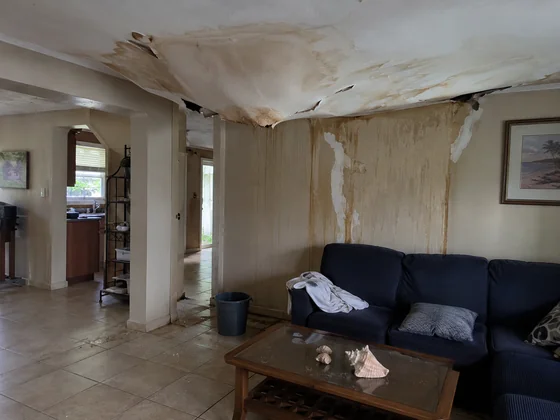
Selling as-is means you sell the home in its current condition and the buyer takes it exactly the way it is, damage included. You are not promising a dry roof or working drywall, and you are not agreeing to fix anything before closing. The buyer prices the offer with the damage already in mind and handles every repair after the sale.
For a storm-hit house that changes everything. You skip the contractor waitlists that stretch for months after a big hurricane. You skip the county permit backlog. You skip writing checks out of your own pocket while you wait on an insurance adjuster. And you skip the showings that are nearly impossible when half the house is under a tarp. As-is is not a loophole or a lowball trick, it is simply a sale where the buyer, not you, owns the problem the moment the deal closes.
Why storm repairs trap so many Florida owners
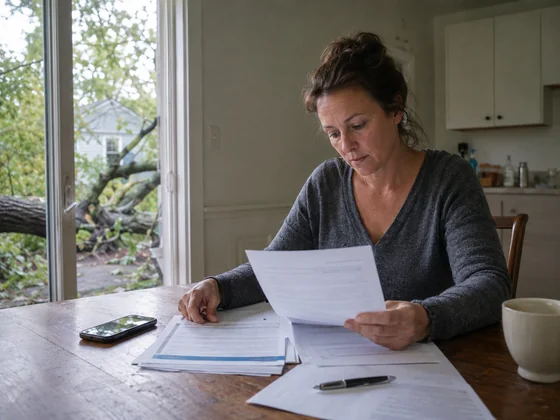
On paper, the plan after a storm sounds simple: file a claim, get a check, fix the house. In Florida it rarely goes that cleanly. The first surprise is the deductible. Many Florida policies carry a separate hurricane deductible that is a percentage of the home's insured value, often in the range of two to five percent, not a flat dollar amount. On a home insured for $300,000, a two percent hurricane deductible is $6,000 that comes out of your pocket before insurance pays a dime.
The second surprise is what is and is not covered. A standard homeowners policy generally covers wind damage but not flooding, and flood needs a separate policy through the National Flood Insurance Program or a private insurer. That is why two neighbors on the same street can walk away from the same storm with completely different outcomes. Add slow adjusters, months-long contractor backlogs, and the fact that Florida law gives you only a limited window to file a storm claim, generally within a year of the loss, and a lot of owners find themselves stuck: not enough insurance money, no contractor for months, and a house they cannot live in or sell the normal way. The Florida Department of Financial Services has free help for claim questions, and it is worth using.
Your options after the storm
There is no single right answer. It comes down to how bad the damage is, how much of it insurance will actually cover, and whether you want to keep the home or be done with it.
- Repair and keep the home. Best when the damage is limited, your claim covers most of it, and you can wait out the contractor timeline. You stay put and the house goes back to normal.
- File the claim, repair, and list on the market. Best when there is real equity, the damage is repairable, and you are not in a hurry. You fix it up, then sell to a retail buyer, though that means fronting repairs and waiting.
- Sell it as-is for cash. Best when the repairs are big, the insurance falls short, or you simply do not want to spend the next year on it. You sell the house in its current state and close fast.
| Your option | Best when | The trade-off |
|---|---|---|
| Repair and keep | Damage is limited and your claim covers most of the cost | You wait on adjusters and contractors, and cover the deductible and any gap yourself |
| Repair, then list | You have equity, time, and the home can be made market-ready | Fronting repair money and months of waiting, plus agent commissions at the end |
| Sell as-is for cash | The repairs are big, insurance falls short, or you just want out | The price reflects the damage, in exchange for speed and zero repairs |
Why a cash sale can be the cleanest exit
When a house is torn up, a traditional sale works against you. A retail buyer almost always needs a mortgage, and a lender will not finance a home with an open roof, water damage, or a failed inspection, so those buyers cannot even make the deal until the house is repaired. That puts you right back into fronting the repairs and waiting on contractors, which is the exact trap you are trying to escape.
A cash buyer removes that wall. There is no lender to satisfy and no appraisal to pass, so the condition of the house does not block the sale. You sell it as-is, the buyer takes on the repairs, and because nothing is waiting on financing, the closing can happen in days on a date you choose. No staging a damaged home, no repeat showings, no repair receipts. For an owner who is exhausted by the storm and the claim, that speed and certainty is the whole point.
Your insurance claim and payout
One of the first questions owners ask is what happens to the insurance claim if they sell. The honest answer is that it depends on your policy and how far along the claim is. In some cases a claim that has already been approved can pay out to you at or around closing. In others, the claim gets settled as part of the sale. There is no one-size answer, so it is worth a direct call to your insurer.
The detail that catches people off guard is the mortgage. If you still owe on the home, storm insurance checks are often made out to both you and your loan servicer, and the servicer controls how that money is released, usually tying it to completed repairs. That is one more reason a fast cash sale can simplify things: instead of managing a repair-by-repair release of funds with your lender, the sale pays off the loan and clears the tangle in one closing. None of this is legal or financial advice, so confirm the specifics of your claim and your loan with the right professional before you decide.
What to sort out before you sell
A few things make a storm-damage sale go smoothly when you settle them early:
- Where your claim stands. Know whether a claim is filed, approved, or still open, and roughly what it will pay. It shapes your numbers and your options.
- Your mortgage payoff. Ask your servicer for the exact payoff amount, and whether any insurance funds are being held for repairs.
- Wind versus flood. Be clear on what caused the damage and what your policies actually cover, because it explains any gap between the repair bill and the check.
- Any other liens. Back taxes or a second loan get paid at closing too, so flag them up front so nothing stalls the sale.
A cash sale makes most of this easier, because there are no showings to coordinate, no repairs to argue over with a buyer's inspector, and a fast, fixed closing you can actually plan around.
Sell your storm-damaged house as-is
Tell us about your Florida home, damage and all. We make a no-obligation cash offer in 24 hours, buy it exactly as it is, and close on your timeline, no repairs and no waiting on contractors.
Get my cash offer or call (888) 480-5544Selling as-is for cash vs listing with an agent
Listing with an agent can make sense when the damage is minor and the home can be made market-ready without much trouble. But after real storm damage, a listing runs into the same wall every time: mortgage buyers cannot finance a house that will not pass inspection, so you are back to repairing first, fronting the money, and waiting on contractors while the home sits. Then come the showings, the negotiations over every flaw the inspector finds, and the commissions that come out of whatever is left.
A cash sale answers the part that actually matters after a storm: getting out cleanly and fast. You sell the home as-is, with no repairs and no commissions eating your proceeds, and a good buyer covers the closing costs. The closing is quick and on a date you set, not one that depends on a buyer's loan finally clearing. For an owner who just wants the storm chapter over, that is hard to beat.
How Sterling Home Offer helps

We buy houses for cash across Florida, and storm-damaged homes are a normal part of what we do. We make a real, no-obligation offer based on the actual house and comparable sales nearby, with the damage taken into account, not a lowball guess thrown out to see if you bite. Because we pay cash, we can close fast, we buy the home strictly as-is so you fix nothing and clean nothing, and we work with you and your servicer to sort the payoff at closing. The goal is a clean exit from a house that has become a burden, on a timeline that finally works in your favor.
If you want to read more first, our guide on what selling a house as-is really means breaks down the basics, and our piece on how fast you can sell for cash shows what the timeline really looks like. Real seller stories are in our reviews section.
The bottom line
A hurricane-damaged house does not have to become a year of repairs and insurance fights. In Florida you can sell the home exactly as it stands, storm damage and all, to a cash buyer who takes on the repairs and closes fast. Between percentage deductibles, coverage gaps, and contractor backlogs, fixing it yourself is often the slow and expensive road. If you would rather be done with it, get a cash offer, pick your closing date, and hand off the problem. If the cost of keeping the home was already a strain, our guide on selling when Florida insurance is too expensive covers that side too.
Florida storm-damage FAQs
Can I sell my house in Florida if it has hurricane damage?
Yes. You can sell a storm-damaged house in Florida exactly as it stands. A cash buyer will make an offer on the home in its current condition, damage and all, so you do not have to repair anything first. The main things to sort out are your mortgage payoff and where your insurance claim stands, and a good cash buyer helps you work through both before closing.
Do I have to repair the storm damage before I sell?
No. Selling as-is means you sell the home in its current state and the buyer takes on the repairs. That is the whole point of a cash sale after a storm. You skip the contractor waitlists, the permit delays, and paying out of pocket while you wait on an insurance check. The buyer prices the offer with the damage in mind and handles the work after closing.
What happens to my insurance claim if I sell the damaged house?
It depends on your policy and how far along the claim is. In some cases an already approved claim payment can come to you at or before closing, and in others the claim is settled as part of the sale. It is worth confirming the details with your insurer and, if a lender is involved, your servicer, because insurance checks after a storm are often made out to both you and the mortgage company. Talk to a professional about your specific claim.
Is flood damage covered by my Florida homeowners insurance?
Usually not. A standard Florida homeowners policy generally covers wind damage from a hurricane but not flooding, which needs a separate flood policy through the National Flood Insurance Program or a private insurer. This is why two neighbors can have very different outcomes after the same storm. If your damage was from flooding and you had no flood policy, selling as-is for cash is often the fastest way to move on.
How fast can I sell a hurricane-damaged house for cash?
Often within days once the details are settled. Because a cash buyer does not wait on a mortgage approval or an appraisal, and does not need the home repaired first, the closing can happen on a timeline you choose. You get a firm offer, pick a closing date, and walk away without months of repairs and insurance back-and-forth.
This article is general information, not legal, financial, insurance, or tax advice. Insurance policies, storm coverage, and individual situations vary and change over time. Please talk to your insurer, a licensed Florida attorney, and a tax professional about your specific situation.