
Inherited a House in Florida? How to Sell It Without the Headache
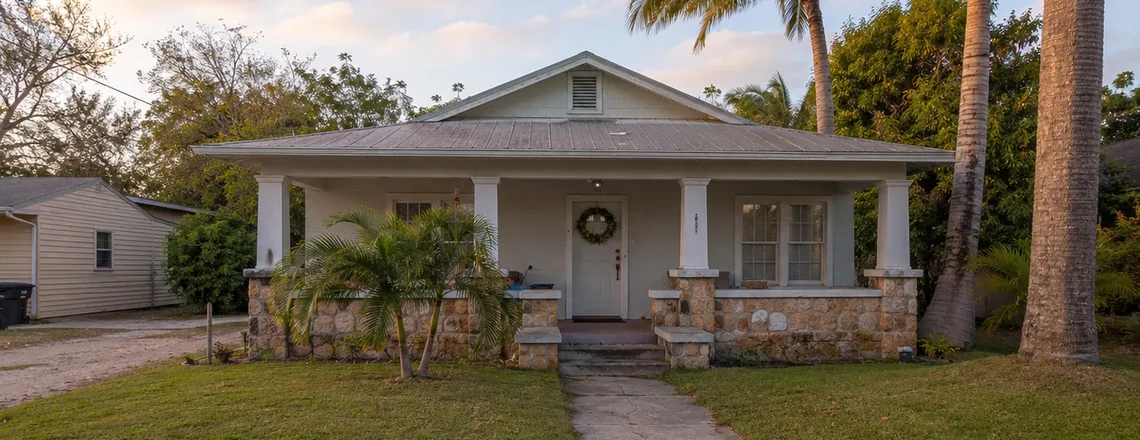
Inheriting a house sounds like a gift, and sometimes it is. But when the home is three states away, or full of a lifetime of belongings, or needs a new roof, or you share it with two siblings who all want something different, that gift starts to feel like a second job. On top of the grief, you are suddenly responsible for property taxes, Florida insurance, the lawn, and a mortgage you may not have known about. If you have inherited a house in Florida and you are leaning toward selling, this guide walks through the part that confuses most people: whether you have to go through probate, what taxes you actually owe, how to handle it when several heirs are involved, and how to sell the home as-is for cash without repairs or a cleanout.
Key highlights
- In most cases a Florida house has to clear probate before you can sell it, unless it was held in a trust, a lady bird deed, or joint ownership with survivorship.
- Florida offers a faster track called summary administration when the probate estate is worth $75,000 or less, or the person has been gone more than two years.
- Florida has no state income tax and no inheritance tax, and inherited property gets a stepped-up basis, so the capital gains tax is often small or nothing if you sell soon.
- A cash buyer takes the home as-is, including the belongings left inside, so heirs skip the cleanout, the repairs, and months of carrying costs.
The short answer
Yes, you can sell an inherited house in Florida, and for many families a cash sale is the simplest way to close the chapter. The one step you usually cannot skip is probate, the court process that legally moves the title from the person who died to the heirs, unless the home was already set up to pass outside of court. Once whoever is in charge of the estate has the legal authority to sell, the house can go to a cash buyer as-is, with no repairs, no cleanout, and no showings. The money is split among the heirs at closing, and everyone can move on.
Do you have to go through probate first?

Probate is the legal process that transfers a deceased person's property to their heirs. In Florida, if the house was titled in the deceased person's name alone, it almost always has to pass through probate before it can be sold, because until the court appoints someone with authority, no one can legally sign over the title. That person, called the personal representative, gets official Letters of Administration and only then can list or sell the home.
Some homes skip probate entirely, and it is worth checking whether yours is one of them. A house held in a living trust passes straight to the named beneficiary. A Florida lady bird deed, also called an enhanced life estate deed, lets the property transfer to the heirs automatically at death. And a home owned in joint tenancy with right of survivorship, common between spouses, passes to the surviving owner without court. If none of those were set up, you are most likely looking at probate, but the type of probate makes a big difference in how long it takes. The Florida Bar's consumer guide to probate is a plain-English place to start.
Florida probate: formal, summary, and how long it takes
Florida has two main paths, and which one you qualify for drives your timeline.
- Formal administration is the standard process and the one most estates use. It commonly takes about six months to a year, and longer if the estate is large, messy, or contested. The personal representative is appointed, creditors are notified, and the home can be sold once the court authorizes it.
- Summary administration is the fast track. Florida allows it when the probate estate is worth $75,000 or less, or when the person has been deceased for more than two years. It skips the appointment of a personal representative and can wrap up in a matter of weeks instead of months.
There is also ancillary administration, which comes up when someone who lived in another state died owning a Florida home. The main estate is handled in their home state, and a shorter Florida proceeding clears the local title. A probate attorney can usually tell you within one conversation which path fits, and many cash sales of inherited homes close right alongside the probate, once the court gives the go-ahead. Florida's probate rules live in Chapter 735 of the Florida Statutes.
Why an inherited Florida house quietly becomes a burden
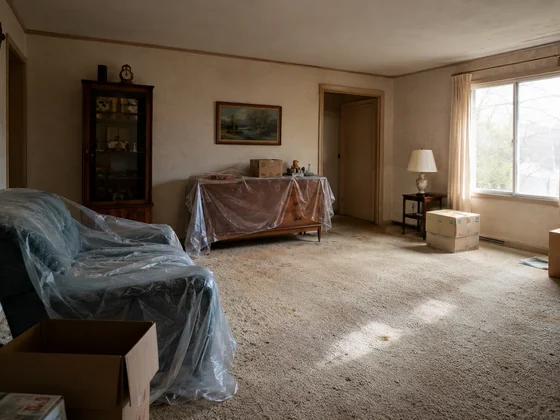
An inherited house is rarely free to hold. From the day it becomes yours, the bills keep coming: property taxes, utilities to keep it from molding in the Florida humidity, lawn and pool upkeep, and any HOA dues. Then there is insurance, which in Florida is its own problem. A vacant home is harder and pricier to insure, and a standard policy can lapse or refuse to pay on a house that has sat empty, so many owners have to buy costly vacant-home coverage on top of everything else.
On top of the money, there is the house itself. Inherited homes are often decades old, dated, and packed with a lifetime of furniture and belongings that someone has to sort, keep, donate, or haul away. If there was a reverse mortgage or an unpaid loan, that has to be dealt with too. All of this lands on heirs who are usually grieving and often live far away. The longer the house sits while everyone figures out what to do, the more it drains the very estate it was supposed to add to. Our guide on Florida insurance that is too expensive to keep digs into that piece specifically.
When you inherit the house with your siblings
One of the most common situations, and the most delicate, is when a house is left to several children at once. Now the home has two, three, or four owners, and they may not agree. One wants to keep it as a rental, one wants to sell today, one wants to move in, and one just wants their share in cash. Because every owner has to sign to sell, a single holdout can freeze the whole thing.
A cash sale is often the fairest way to settle it, precisely because it is clean. The house sells as-is, so no one has to front repair money or manage contractors from out of town. There are no agent commissions eating into what everyone splits. And the proceeds are divided among the heirs in one closing, on a set date, so the family can settle up and move forward instead of arguing over an empty house for another year. Our related guide on selling a probate house covers the heir-and-court side in more depth.
Taxes: the stepped-up basis works in your favor
The tax question scares people more than it should. Start with the good news that is specific to Florida: there is no state income tax and no state inheritance or estate tax. The federal estate tax only touches very large estates, well into the millions, so most families never come near it.
The part that really matters is the stepped-up basis. When you inherit a house, your tax basis is reset to the home's fair market value on the date the person died, not what they paid for it decades ago. So if the house was worth $300,000 when you inherited it and you sell it for $305,000, your taxable gain is figured from the $300,000, not from the $60,000 grandma paid in 1978. Sell reasonably close to the date of death and the capital gains tax is often small or nothing at all. It is one of the biggest reasons selling an inherited home sooner rather than later can make sense. The IRS explains the rule in its guidance on the basis of inherited property. None of this is tax advice, so confirm your numbers with a tax professional.
Your options for the house
There is no single right answer. It comes down to the shape the house is in, whether the heirs agree, and how much time and money you want to put in.
- Keep it. Move in or hold it as a rental. Works when one heir wants the home and can buy out the others, and you are ready to manage upkeep, insurance, and tenants.
- Fix it up and list it. Works when there is real equity, the heirs agree, and someone has the time to clean it out, repair it, and wait out a retail sale, commissions and all.
- Sell it as-is for cash. Works when the home is dated or full of belongings, the heirs just want to settle, or nobody local can manage repairs and showings. You sell in current condition and close fast.
| Your option | Best when | The trade-off |
|---|---|---|
| Keep the home | One heir wants it and can buy out the others | You take on taxes, Florida insurance, upkeep, and any tenants |
| Fix up and list | There is equity, the heirs agree, and someone has time | Cleanout and repairs up front, months of waiting, then commissions |
| Sell as-is for cash | The home is dated or full, or the heirs just want to settle | The price reflects condition, in exchange for speed and zero work |
Why a cash sale is often the cleanest exit
An inherited home works against a traditional sale in a few ways at once. If it is dated or needs repairs, a retail buyer's lender may refuse to finance it until the work is done, which puts the cost and the waiting right back on the heirs. If it is full of belongings, it has to be emptied before it can even be shown. And if several heirs share it, coordinating repairs, showings, and signatures from different cities turns into a project no one has time for.
A cash buyer removes all of that. There is no lender and no appraisal, so the condition of the house does not block the sale. You do not repair anything, you do not clean it out, and you can leave behind whatever the family does not want. Because nothing waits on financing, the closing can happen in days on a date the heirs choose, and the proceeds are split in that one closing. For a family that just wants to settle the estate and move on, that speed and simplicity is the whole point.
Selling as-is for cash vs listing with an agent
Listing with an agent can make sense when the inherited home is already in good shape, the heirs agree, and someone has the time to clean it out and manage a retail sale. In that case you may capture full market value, minus commissions and the months it takes. But when the house is dated, full of belongings, or shared by heirs who cannot easily coordinate, a listing runs into repairs, showings, inspection negotiations, and the very real chance the deal falls through when a buyer's loan does.
A cash sale answers the part that usually matters most with an inherited home: settling it cleanly and quickly. You sell as-is with no repairs and no cleanout, there are no commissions cutting into what the heirs split, and a good buyer covers the closing costs. The closing is fast and on a date you set. When the goal is to close out an estate and not to squeeze out the last dollar over the next year, it is hard to beat.
How Sterling Home Offer helps
We buy inherited houses for cash across Florida, and we do it a lot, so the process is familiar to us even when it is brand new to you. We make a real, no-obligation offer based on the actual house and comparable sales nearby, with its condition taken into account, not a lowball number thrown out to see if you bite. Because we pay cash, we buy the home strictly as-is, you leave whatever you do not want, and we handle the cleanout and repairs after closing. If the home is still in probate, we are used to working alongside your attorney and closing once the court gives the authority to sell. The goal is one clean closing that settles the estate and takes the house off your hands on a timeline that works for the family.
If you want to read more first, our guide on what selling a house as-is really means covers the basics, and how fast you can sell for cash shows what the timeline really looks like. Real seller stories are in our reviews section.
The bottom line
An inherited Florida house does not have to become a year of taxes, insurance, and family standoffs. Once you know whether it needs probate and which path fits, the sale itself can be simple. Florida's lack of income and inheritance tax, plus the stepped-up basis, means selling soon often costs you little in taxes. And a cash sale lets you skip the repairs, the cleanout, and the showings, close in one shot, and split the proceeds among the heirs. If you would rather be done with it than carry it, get a cash offer, pick your closing date, and hand off the house.
Sell your inherited Florida house as-is
Tell us about the home, belongings and all. We make a no-obligation cash offer in 24 hours, buy it exactly as it is, work around probate if needed, and close on your timeline, with no repairs and no cleanout.
Get my cash offer or call (888) 480-5544Florida inherited-home FAQs
Do I have to go through probate to sell an inherited house in Florida?
Usually yes, unless the home was set up to avoid it. If the house was in the deceased person's name alone, Florida requires probate before the title can transfer and the property can be sold. If it passed through a living trust, a lady bird deed, or joint ownership with rights of survivorship, you can often skip probate. Florida also offers a faster track called summary administration when the estate is small or the person has been gone more than two years.
How long does probate take in Florida?
Formal administration, the standard process, commonly runs about six months to a year, and longer if the estate is complex or there is a dispute. Summary administration is much faster, sometimes a few weeks to a couple of months, but it is only available when the probate estate is worth $75,000 or less or the person has been deceased for more than two years. A probate attorney can tell you quickly which path fits.
Do I owe taxes when I sell an inherited house in Florida?
Florida has no state income tax and no inheritance tax, so the main question is federal capital gains. Inherited property gets a stepped-up basis, meaning your tax basis is the home's market value on the date the person died, not what they originally paid. If you sell near that value, your taxable gain is often small or nothing. Talk to a tax professional about your specific numbers.
Can I sell the house if I inherited it with my siblings?
Yes. When several heirs own the home together, all of the owners generally need to agree to sell and sign at closing. A clean cash sale is often the easiest way to settle it, because the home sells as-is and the proceeds are split among the heirs in one closing, with no repairs, agent commissions, or drawn-out showings to argue over.
Do I have to clean out or repair the inherited house before selling?
No, not if you sell as-is for cash. A cash buyer takes the home in its current condition, including old furniture and belongings left behind, and handles the cleanout and any repairs after closing. You can take what matters to you and leave the rest, which spares heirs the cost and the emotional weight of emptying and fixing up the family home.
This article is general information, not legal, financial, or tax advice. Probate rules, tax treatment, and individual situations vary and change over time. Please talk to a licensed Florida probate attorney and a tax professional about your specific situation.