
Behind on Your Mortgage in Florida? How to Sell Before Foreclosure
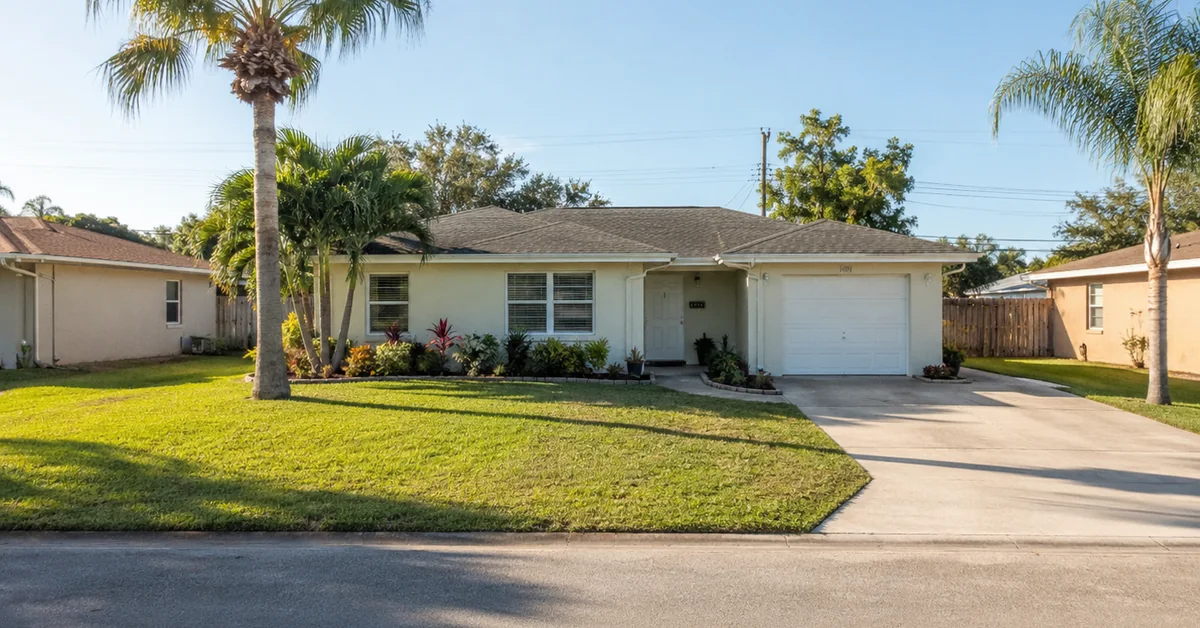
Falling behind on a mortgage is one of the most stressful things a homeowner can go through, and in Florida it has been happening to more people lately. The good news, and it is real good news, is that being behind does not mean you are out of time or out of options. Florida makes a bank go through court to foreclose, which usually gives you months, not days. And during all of that time you keep the right to sell the home yourself. This guide explains how Florida foreclosure actually works, how much time you really have, and the fastest way to sell before the auction if that is the path you choose.
Key highlights
- Florida is a judicial foreclosure state, so the bank must sue you in court, which typically takes about 8 months to over a year from the first missed payment.
- You can sell the home at any time before the foreclosure auction, even after a final judgment, as long as the sale closes before the sale date.
- Selling before the auction usually protects your credit and your equity better than letting the foreclosure finish.
- A cash buyer can close fast enough to beat the auction clock, buy the home as-is, and let you walk away with any equity left after the payoff.
The short answer
Yes, you can sell your house in Florida even after you have fallen behind, and for many owners it is the smartest move. You keep the right to sell right up until the foreclosure auction, including after the court enters a final judgment, as long as the closing happens before the scheduled sale. Selling on your own lets you pay off the loan, protect your credit far more than a completed foreclosure would, and keep any equity that is left. The key is to act while you still have time, because a sale that beats the auction is worth far more to you than one that does not.
How foreclosure works in Florida
Florida is a judicial foreclosure state, which is actually good for you. Instead of a bank being able to sell your home in a few weeks like in some states, a Florida lender has to file a lawsuit, serve you, and move through the court. That takes time. Under federal rules the servicer generally has to wait around 120 days after you fall behind before it can even file, and within 45 days of a missed payment it must tell you in writing about options to avoid foreclosure.
Once the case is filed and you are served, you usually have 20 days to respond in court. If the case moves to a final judgment, the foreclosure sale is typically scheduled 20 to 35 days after that judgment. Add it all up and a Florida foreclosure commonly runs from about 8 months to over a year, and longer if it is contested. The official process lives in Chapter 702 of the Florida Statutes, and a free HUD-approved housing counselor (find one through HUD) can walk you through your options at no cost. The big takeaway: you almost always have more time than the first scary letter makes it feel.
Why selling before the auction wins
Letting a foreclosure run to the end is almost always the worst outcome for the homeowner. A completed foreclosure is one of the heaviest marks on a credit report and can follow you for years. If the home sells at auction for more than you owe, that surplus can be yours, but claiming it is slow and messy, and the auction price is rarely the best price.
Selling the home yourself before the auction flips all of that. You control the sale, you pay off the loan, and you keep any equity that is left, in your hands at closing instead of chasing a surplus through the clerk afterward. Your credit usually takes far less damage than a foreclosure on your record. And you get to close this chapter on your own terms instead of waiting for a date the court sets. The one thing it requires is time, which is exactly why acting early matters so much.
Your options when you are behind
There is no single right answer. It depends on whether you can catch the loan back up, how much equity you have, and how close the auction is.
- Reinstate or work out a loan modification, and keep the home. If your hardship was temporary, you may be able to catch up the missed payments or get the loan reworked. Best when your income has recovered and you want to stay.
- List it on the open market. If there is equity and time, you can list the home and sell to a retail buyer before the auction. Best when the home shows well and the sale date is not close.
- Sell it fast for cash. Sell the home as-is to a cash buyer who can close quickly, pay off the loan, and beat the auction. Best when the clock is tight, the home needs work, or you just need certainty.
| Your option | Best when | The trade-off |
|---|---|---|
| Reinstate or modify and keep | Your hardship was temporary and your income has recovered | You must catch up the past-due amount or qualify for a new payment, and not everyone does |
| List on the open market | You have real equity and the auction is still months away | Showings and waiting for a buyer while the case keeps moving, plus agent commissions |
| Sell to a cash buyer | The auction is close, the home needs work, or you need certainty | The price is below full retail in exchange for speed and a sale that beats the auction |
Why a cash sale can be the cleanest exit
When the real enemy is the clock, a cash buyer is built for it. A traditional buyer needs a mortgage, and a mortgage takes weeks of approval, appraisal, and underwriting, time you may not have before the sale date. A cash buyer skips all of that. The offer does not depend on a lender, so the sale can close in days, fast enough to beat the auction and pay off the loan before the foreclosure is final.
On top of the speed, a cash sale removes the rest of the pressure. You sell the home exactly as it is, with no repairs and no cleaning, which matters when money is already tight. There are no showings to stage while you are dealing with everything else. And the proceeds pay off the lender, with anything left over coming to you. For a homeowner racing a sale date, that combination of speed and certainty is the whole point.
What to sort out before you sell
A few things make a pre-foreclosure sale go smoother when you settle them early:
- Your payoff and the sale date. Ask your servicer for the exact amount to pay off the loan and find out if an auction date has been set. Those two numbers tell you what you are working with.
- How much time is left. Knowing where you are in the process, from first notice to final judgment, tells you how fast you need to move.
- Any other liens. Back taxes or a second loan need to be paid at closing too, so flag them up front.
- Talk to your servicer and a counselor. Tell the lender you are selling, and consider a free HUD-approved housing counselor. Lenders often prefer a sale to a foreclosure.
A cash sale makes most of this easier, because there are no showings to coordinate, no repairs to argue over, and a fast, fixed closing date you can plan around the auction.
Beat the auction with a fast cash sale
Tell us about your Florida house. We make a no-obligation cash offer in 24 hours, buy it as-is, and can close fast enough to pay off your loan before the foreclosure is final.
Get my cash offer or call (888) 480-5544Selling for cash vs listing with an agent
A traditional listing can work when the auction is still months out and the home is in good shape. But when you are behind, time is the thing you are short on. A listing means cleaning, staging, and a stream of buyers whose mortgages take weeks to approve, all while the court case keeps moving toward a sale date. If a buyer falls through, you may not have time to find another, and agent commissions still come out of whatever equity is left.
A cash sale answers the part that matters most when you are behind: speed and certainty. You sell the home as-is, with no repairs and no commissions cutting into your number, and a good buyer covers the closing costs. The closing is fast and on a date you can line up before the auction. For a homeowner who needs this handled quickly and for sure, that is hard to beat.
Your credit and any leftover equity
Two things are usually worth protecting when you are behind: your credit and your equity. A completed foreclosure hits your credit hard and lingers for years, while selling before it finishes and paying off the loan generally does much less long-term damage. On the equity side, selling on your own lets you collect what is left after the payoff at the closing table, instead of trying to recover a surplus from the clerk after an auction. Neither of these is legal or financial advice, so confirm your specific situation with a professional, but for most owners, an early sale protects both better than waiting does. If insurance costs are also part of why the home became unaffordable, our guide on selling when Florida insurance is too expensive covers that side.
How Sterling Home Offer helps

We buy houses for cash across Florida, and helping homeowners sell before a foreclosure is finalized is a regular part of what we do. We make a real, no-obligation offer based on the actual home and comparable sales nearby, not a lowball guess. Because we pay cash, we can close fast, often quickly enough to pay off your loan before the sale date. We buy as-is, so you fix nothing and clean nothing, we coordinate the payoff with your lender, and any equity left after the loan comes to you. The goal is a clean exit that protects your credit and your wallet instead of letting the auction decide.
If you want to read more first, our behind on payments page covers the basics, and our guide on how fast you can sell for cash shows what the timeline really looks like. Real seller stories are in our reviews section.
The bottom line
Being behind on a Florida mortgage is frightening, but it is not the end of your options. Florida makes the bank go through court, which usually buys you months, and you keep the right to sell the whole way to the auction. Selling before that date protects your credit, captures your equity, and puts you back in control. When the clock is the problem, a cash sale is the fastest way through it. Get an offer, set a closing that beats the auction, and move on.
Florida foreclosure FAQs
How long does foreclosure take in Florida?
Florida is a judicial foreclosure state, so the bank has to go through court, and that takes time. From the first missed payment, a typical case runs anywhere from about 8 months to over a year, and contested cases can run longer. Federal rules generally make the servicer wait around 120 days before filing, and the sale is usually scheduled 20 to 35 days after a final judgment. The point is that you usually have more time than it feels like.
Can I sell my house after the foreclosure case has started?
Yes. In Florida you can sell the home at any time before the foreclosure auction, even after a final judgment, as long as the sale closes before the scheduled sale date. Being served with the lawsuit starts a 20-day clock to respond in court, but it does not end your right to sell. Many homeowners still have months before an auction.
Will I lose my equity if my house is foreclosed?
If the home sells at auction for more than you owe, the extra money, called surplus, can belong to you, but it can be slow and messy to claim. Selling on your own before the auction is usually the cleaner way to capture your equity, because you control the sale and walk away with the proceeds at closing instead of chasing a surplus afterward.
Does selling before foreclosure hurt my credit less than foreclosure?
Generally yes. A completed foreclosure is one of the most damaging marks on a credit report and can stay for years. Selling the home before the foreclosure is finalized, and using the proceeds to pay off the loan, usually does far less long-term damage than letting the foreclosure go through. Talk to a professional about your exact situation.
How does selling to a cash buyer help when I am behind?
Speed is the whole point. A cash buyer does not wait on a mortgage approval, so the sale can close fast enough to beat the auction date. You sell as-is with no repairs or showings, the payoff goes to your lender, and any equity left over comes to you. It is often the surest way to get out cleanly before the foreclosure is final.
This article is general information, not legal, financial, or tax advice. Foreclosure rules and individual situations vary and change over time. Please talk to a licensed Florida attorney, a HUD-approved housing counselor, and a tax professional about your specific situation.