Behind on Property Taxes in Cleveland? How to Sell Before the County Takes the House
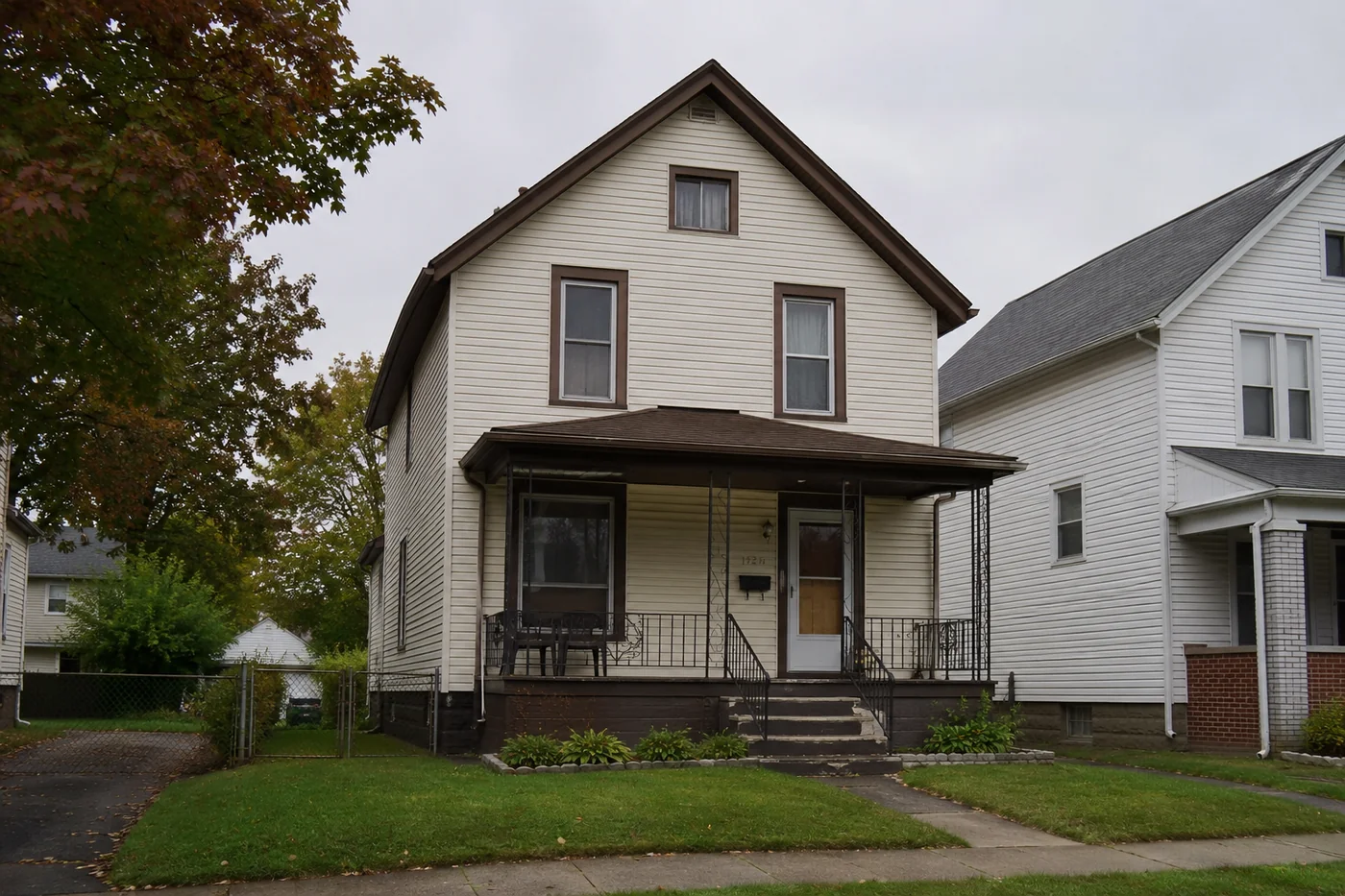
If you are behind on your property taxes in Cleveland, the first thing to understand is that you have options, and the second is that Ohio does not work the way most people assume. There is no single faraway deadline printed on a calendar. Once Cuyahoga County certifies your taxes as delinquent, several different processes can start moving, and some of them move fast. Your debt can be sold to a private investor and start growing at up to 18 percent a year. If the house sits empty, the county can put it on an expedited foreclosure track that runs in months. This guide explains how the system actually works, the payment plans and programs that might let you keep the home, and, if the numbers do not work, how to sell the house with the back taxes still owed on it and walk away with your equity instead of losing it.
Key highlights
- Ohio has no single drop-dead date. After your taxes are certified delinquent, foreclosure can start in roughly a year, and for vacant houses even sooner. The early letters are the real warning.
- Cuyahoga County can sell your tax debt to a private investor as a tax certificate. The debt then grows at up to 18 percent a year plus fees, and the investor can foreclose after one year.
- You can sell the house with back taxes still on it. The title company pays the county, or the certificate holder, out of the sale proceeds at closing, and you keep what is left.
- The Treasurer's delinquent tax payment plan stops the foreclosure process while you keep up the installments. Look at it, and at the Homestead Exemption, before you decide to sell.
- Vacant and inherited houses are taken fastest, through the Board of Revision fast track, and historically many owners lost every dollar of equity in them.
The short answer
You still own your home, and you can sell it, all the way through the foreclosure process, right up until a court confirms the sale of the property. You do not have to pay the back taxes before you sell, and you do not have to pay them out of pocket at all. A delinquent tax lien has priority, which means it must be cleared for the buyer to get clear title. So the title company orders a payoff figure from the Cuyahoga County Treasurer, or from the tax certificate holder if your debt was sold, and pays it straight out of the sale proceeds at closing. The taxes come off the top, any mortgage is paid next, and whatever is left is yours. That is the difference between selling and doing nothing: if you sell, you keep your equity. If the house goes to a forced sale, you almost certainly do not.
Why Ohio is different: there is no single date to circle
In Michigan you lose the house on one statutory date. In Ohio you do not get that certainty. Once your taxes are certified delinquent, three different clocks can start: a county foreclosure case, a tax certificate sale to a private investor who can foreclose after one year, or an expedited Board of Revision foreclosure if the house looks abandoned.
That is what makes Ohio dangerous. People wait for a final notice with a date on it, and in Ohio the process does not owe you one. By the time a foreclosure case has your name on it, the cheap ways out are mostly gone.
The practical rule is simple: in Cleveland, the moment you receive a delinquency notice is the moment to act. Everything in this article gets harder and more expensive with every month that passes, and none of it requires you to panic today. It requires you to pick an option while you still have all of them.
How Cuyahoga County delinquency actually works
Cuyahoga County bills property taxes in two halves, due in winter and in summer. Miss a due date and a statutory penalty is added to the bill. Interest is then charged on what remains unpaid as the year goes on.
Step one: the delinquent list
Once a tax year closes with a balance unpaid, your parcel is certified delinquent. Ohio law requires the county to publish the delinquent tax list, so your name and property become public record. That publication matters for a reason beyond embarrassment: it is the list that investors and, unfortunately, scammers work from.
Step two: the county chooses a track
From the delinquent list, three things can happen. The county treasurer can offer you a payment plan and leave it at that as long as you pay. The county can include your debt in a tax certificate sale, which hands collection to a private investor. Or the county prosecutor can file a tax foreclosure case in court, which for occupied homes typically becomes possible after the delinquency has aged about a year.
Step three: judgment and sale
If a foreclosure case runs its course, the court enters judgment and the property is sold at a forced sale, or, if it fails to sell, it can be forfeited to the state or end up with the county land bank. You keep the right to redeem, meaning pay in full or sell, until the court confirms the sale. After confirmation, it is over.
The tax certificate: the day your debt gets sold to an investor
This is the part of the Ohio system that surprises homeowners the most. Cuyahoga County is one of the Ohio counties that sells tax certificates: the county takes its money now from a private investor, and in exchange the investor now owns the right to collect your delinquent taxes. From your side of the table, three things change, and none of them in your favor.
- The debt grows faster. A tax certificate can carry interest of up to 18 percent a year, plus the fees that come with servicing and collection.
- The letters change. You stop hearing from the county and start hearing from an investment firm or its servicer, which is why many people mistake the notices for junk mail and throw them away. Do not. Those letters are about your house.
- The clock shortens. A certificate holder can initiate foreclosure after holding the certificate for one year. Investors are not sentimental, and they did not buy the certificate to wait.
You still have every exit you had before: you can redeem by paying the certificate off, you can usually negotiate a payment plan, and you can sell the house and have the certificate paid out of the closing proceeds. The certificate does not take your house by itself. What it does is put a professional collector on the other side of the table and raise the price of waiting.
Vacant houses lose fastest
Cleveland has a lot of houses standing empty, and Ohio built a special track for them. Properties that appear vacant or abandoned can be foreclosed through the county Board of Revision instead of a regular court case. It is faster, it can move in months, and homes taken this way can be transferred to the county land bank. Historically, many of those transfers wiped out whatever equity the owner had left in the property.
This matters most for inherited houses. If you inherited a Cleveland house you do not live in, and the taxes have not been paid, that house is exactly the profile the fast track was built for. Do not assume an empty house buys you time. It does the opposite. If that is your situation, our guide on selling an inherited house in Cleveland walks through the probate side of the problem, and the payment plan and sale options in this article apply just the same.
What waiting actually costs you
Run the numbers on 18 percent and the urgency stops being abstract. A $6,000 tax debt on a certificate growing at the maximum rate adds roughly a thousand dollars a year, before fees, and penalties and interest were already stacking before the certificate was sold. Debt at that rate does not sit still, and it does not care that the letters went unread.
Meanwhile the house is usually not getting more valuable. If money was tight enough to fall behind on taxes, it was probably too tight for the roof, the furnace, and the gutters too. So the two lines cross: what you owe climbs, and what the house would actually bring, in its real condition, drifts down. Every month of waiting moves you closer to the point where the debt eats the equity entirely.
Yes, you can still sell, and the back taxes get paid at closing
This is the part worth being very clear about, because it is the fact that saves people's equity. You do not need to pay off the back taxes before you can sell. Ohio keeps your right of redemption alive until the court confirms a foreclosure sale, and a sale that pays the county or the certificate holder in full at closing ends the delinquency and stops the foreclosure cold.
Mechanically it is routine, and title companies in Cuyahoga County handle it constantly. The delinquent taxes are a priority lien, so they must be cleared before the buyer can receive clear title. The title company requests the payoff, from the County Treasurer or from the certificate servicer, and at closing that amount is paid straight out of the seller's proceeds. Taxes first, then any mortgage, and the seller nets the rest. Nobody brings cash to the table. It simply comes off the settlement statement.
The one thing that ends this option is the process reaching its finish line. Once a forced sale is confirmed by the court, you own nothing, so there is nothing to sell. Do not cut it close. A sale takes time to close even for a cash buyer, and a foreclosure case does not pause because you signed a contract.
Before you sell: the programs that may let you keep the house
We buy houses, so it would be easy for us to skip this section. We are not going to. If you can keep your home, keep it. Selling is what you do when the numbers genuinely do not work, and you should not sell without first checking whether one of these applies to you.
- The Treasurer's delinquent tax payment plan. The Cuyahoga County Treasurer can put delinquent taxes on an installment contract. While you are current on the plan, the foreclosure process stops moving, and paying it off ends the problem entirely. This is the single most important option on this list, and setting it up costs nothing. Start at the Cuyahoga County Treasurer's site or call the Treasurer's office and ask about a delinquent tax payment plan.
- The Homestead Exemption. Ohio reduces property taxes going forward for owner occupants who are 65 or older, or permanently and totally disabled, subject to income limits. It does not erase back taxes, but it shrinks the bill that keeps arriving, which is often what makes a payment plan workable.
- The Owner Occupancy Credit. A small reduction on the home you actually live in. Worth confirming you receive it, because plenty of Cleveland homeowners never applied.
- Free local help. CHN Housing Partners and ESOP counsel Cleveland homeowners on delinquent taxes and foreclosure at no charge, and the Legal Aid Society of Cleveland takes tax foreclosure cases for qualifying homeowners. Ohio Legal Help has plain-English guides and forms.
Call before you count on any of these. Program terms, income limits and enrollment rules change, and what you qualify for depends on your specific situation. Do not take our word for it, and do not take a stranger's. Call the Cuyahoga County Treasurer's office and ask what you personally qualify for right now. It is a free phone call and it is the most useful thing you can do today.
The leftover money almost nobody gets
People sometimes let the foreclosure happen because they have heard that if the house sells for more than the debt, they get the difference. The right is real, and it got stronger recently: in 2023 the U.S. Supreme Court held in Tyler v. Hennepin County that the government keeping more than it is owed is an unconstitutional taking, and Ohio's procedures have been adjusting in response. But understand what the surplus actually looks like before you bet your house on it.
A forced sale is not a market sale. Nobody stages the house, nobody negotiates for you, and forced sale prices run low. The surplus, if any, is what remains after the taxes, the interest, the fees and the costs of the case, and you have to come forward and claim it through the court. Unclaimed money does not chase you down; eventually it is simply gone. And on the Board of Revision fast track, homes have historically been transferred to the land bank in ways that produced no sale proceeds at all.
Put plainly: selling before the forced sale lets you keep your equity at market value. Waiting means hoping a low auction price leaves scraps, and then filing to claim them. That is not a plan.
Scams that specifically target Cleveland homeowners behind on taxes
The delinquent tax list is a public record. The moment you fall behind, your name and address are on a list anyone can download, and some of the people downloading it are not trying to help you. Know the red flags.
- Deed fraud. Scammers mine delinquency lists, forge a deed transfer, and then rent, sell or borrow against a house that is not theirs. Cleveland's stock of vacant and inherited homes makes it a favorite target. If a document about your deed appears that you did not sign, call the Cuyahoga County Fiscal Officer and the police immediately.
- Anyone who wants money up front to "stop the foreclosure." Foreclosure rescue operations make big promises, take an advance fee, and do nothing. The county payment plan they are "arranging" for you is free to set up yourself.
- "We will pay your taxes for you" deals. Anyone who offers to catch up your taxes in exchange for signing over your deed, a share of the house, or a "partnership" is not rescuing you. Do not sign a deed to anyone outside of a real closing.
- Surplus recovery "finders." After a forced sale they cold call former owners and offer to recover the leftover money for a big cut. Claiming it yourself through the court is free, and Legal Aid can help you do it.
- Any buyer who will not close through a title company with a properly recorded deed. A legitimate buyer always will, and the title company is what protects you. Our guide on avoiding cash buyer scams covers the full checklist.
Your options, side by side
There is no single right answer here. It depends on your income, how much you owe, how much the house is worth, and what shape it is in.
| Your option | Best when | The trade-off |
|---|---|---|
| Treasurer payment plan | You can afford a monthly payment and want to stay | You still owe the full debt, and missing installments puts the foreclosure back in motion |
| Homestead Exemption and credits | You are 65+, disabled, or never applied for the owner credit | Shrinks future bills only; the back taxes still need a plan of their own |
| Fix up and list with an agent | The house is in good shape and the case is far from judgment | Repairs and carrying costs up front, commissions at the end, and a foreclosure clock that does not wait for a buyer's mortgage |
| Sell as-is for cash | The debt is growing at 18 percent, the house needs work, or the case is moving | The price reflects the condition, in exchange for speed, certainty, and keeping your equity |
| Do nothing | Never | The debt compounds, the county or an investor forecloses, and your equity goes with the house |
Why a cash sale fits this particular problem
A tax delinquency is a race between your sale and a court process, and the court process does not reschedule. That is the single biggest reason a traditional listing gets risky once foreclosure is moving. A retail buyer needs financing, financing needs an appraisal, and an appraisal on a house that needs a roof, carrying a delinquent tax lien, is exactly where deals die. If the deal dies with a sheriff sale on the docket, you may not get another try.
A cash sale removes the two things that break these deals. There is no lender, so the condition of the house cannot block the sale, and you fix nothing. And there is no financing contingency, so the closing date is a decision rather than a hope. The title company pulls the payoff, the county or the certificate holder gets paid at closing, the lien is cleared, and you leave with the equity that would otherwise have gone to the forced sale.
We want to be honest about the trade-off, because you deserve a straight answer: a cash offer reflects the condition of the house, so it is generally not the same number you would get after months of repairs and a perfect retail sale. What you are buying with that difference is speed and certainty against a process that will not wait. If you have real time, real equity, and a house in good shape, list it. If the debt is compounding and the case is moving, that certainty is worth a great deal.
How Sterling Home Offer helps

We buy houses in Cleveland for cash, including houses with delinquent taxes and tax certificates on them, and the debt is not a problem for us. We make a real, no-obligation offer based on your actual house and comparable sales nearby, with its condition taken into account, not a lowball number thrown out to see if you bite. We buy strictly as-is, so you repair nothing and clean out nothing. We close through a title company, which orders the payoff from the Cuyahoga County Treasurer or the certificate servicer and pays the taxes directly out of the proceeds at closing, so you never have to come up with that money yourself. And because there is no lender involved, we close on a date you choose, ahead of the process instead of behind it.
If you would rather try to keep the home, tell us. We would genuinely rather point you to the Treasurer's payment plan, CHN, ESOP or Legal Aid than buy a house from someone who did not need to sell it. But if the math does not work and the case is moving, get an offer and see the number. Knowing what the house is actually worth to a cash buyer, while the equity is still yours, costs you nothing and changes what you can decide.
To read more first, our guide on selling before foreclosure in Cleveland covers the mortgage side of the same race, what selling a house as-is really means covers the basics, and how fast you can sell for cash shows what the timeline really looks like. Real seller stories are in our reviews section.
The bottom line
Back taxes in Cleveland are not the end of your house, but Ohio is not a state where you can safely wait for a final warning, because the system does not owe you one. The delinquency letters are the warning. Call the Cuyahoga County Treasurer and find out whether a payment plan, the Homestead Exemption, or the free counselors at CHN, ESOP or Legal Aid can save the home, because if they can, that is the best outcome and you should take it. But if the debt has been sold to an investor and is compounding at 18 percent, or the house is empty and the fast track is looming, do not let a forced sale decide for you. You can sell the home with the taxes still owed on it, the debt gets paid at closing out of the proceeds, and you keep what is left. That choice is yours right up until the day it is not.
Owe back taxes on your Cleveland house?
We buy houses with delinquent taxes and tax certificates still on them. No repairs, no cleanout, no agent fees. The title company pays the county out of the proceeds at closing, and you keep the rest. Get a no-obligation cash offer in 24 hours.
Get my cash offer or call (888) 480-5544Cleveland back taxes FAQs
Can I sell my Cleveland house if I owe back property taxes?
Yes. You still own the home all the way through the foreclosure process, right up until a court confirms the sale of the property. You do not have to pay the back taxes before you sell and you do not have to pay them out of pocket. The title company orders a payoff from the Cuyahoga County Treasurer, or from the tax certificate holder if your debt was sold to an investor, and pays it straight out of the sale proceeds at closing. Whatever is left after the taxes and any mortgage is yours.
How long do I have before Cuyahoga County forecloses for unpaid taxes?
Ohio does not give you one fixed date the way some states do, and that is exactly what makes it dangerous. Once your taxes are certified delinquent, three different clocks can start: the county prosecutor can file a foreclosure case, the county can sell a tax certificate on your debt to a private investor who can start foreclosure after one year, or, if the house looks vacant or abandoned, the case can go through the Board of Revision on a fast track that moves in months, not years. Treat the first delinquency letters as the real warning, because in Ohio the process can be much faster than people expect.
What is a tax certificate and why did I get a letter from a company I have never heard of?
Cuyahoga County is allowed to sell its right to collect your delinquent taxes to a private investor. The investor pays the county, and in exchange your debt now belongs to that company and can grow at up to 18 percent a year plus fees. That is why homeowners suddenly get letters from an investment firm or a servicer instead of the county. The certificate holder can start foreclosure after holding the certificate for one year. You can still pay the debt off, set up a payment plan, or sell the house and have the certificate paid off at closing.
Are there payment plans or programs that can help me keep my Cleveland home?
Yes. The Cuyahoga County Treasurer offers a delinquent tax payment plan that spreads the debt into installments, and while you keep up the payments the foreclosure process stops moving. Owner occupants who are 65 or older or permanently disabled may also qualify for Ohio's Homestead Exemption, which lowers the tax bill going forward. Free help exists too: CHN Housing Partners, ESOP, and the Legal Aid Society of Cleveland all help homeowners deal with delinquent taxes at no charge. Look at these options before you decide to sell.
What happens if my house is vacant and I owe taxes?
Vacant houses are the ones Ohio takes fastest. Properties that appear abandoned can be foreclosed through the county Board of Revision on an expedited track and can end up transferred to the county land bank. Historically many of those transfers wiped out whatever equity the owner had. If you have inherited or moved out of a Cleveland house that is sitting empty with taxes piling up, do not assume you have years. Deal with it now, either through a payment plan or by selling, while the equity is still yours to keep.
If the house sells at a tax foreclosure sale for more than I owe, do I get the difference?
You may have a right to the surplus, but do not count on the process to protect you. In 2023 the U.S. Supreme Court held in Tyler v. Hennepin County that the government keeping more than it is owed is an unconstitutional taking, and Ohio procedures have been adjusting since. In practice the surplus is reduced by costs and fees, forced sale prices run low, you have to come forward and claim the money through the court, and unclaimed funds eventually escheat. Selling before the sale is the only reliable way to keep your equity.
This article is general information, not legal, financial, or tax advice. Ohio tax foreclosure law, Cuyahoga County programs, deadlines and eligibility rules change over time, and your situation is specific to you. Confirm your own dates and options directly with the Cuyahoga County Treasurer's office, and please talk to a licensed Ohio attorney or a free housing counselor at CHN Housing Partners, ESOP, or the Legal Aid Society of Cleveland before making a decision about your home.