Selling an Inherited House in Birmingham, Alabama: Probate, Heirs' Property, and How to Sell for Cash
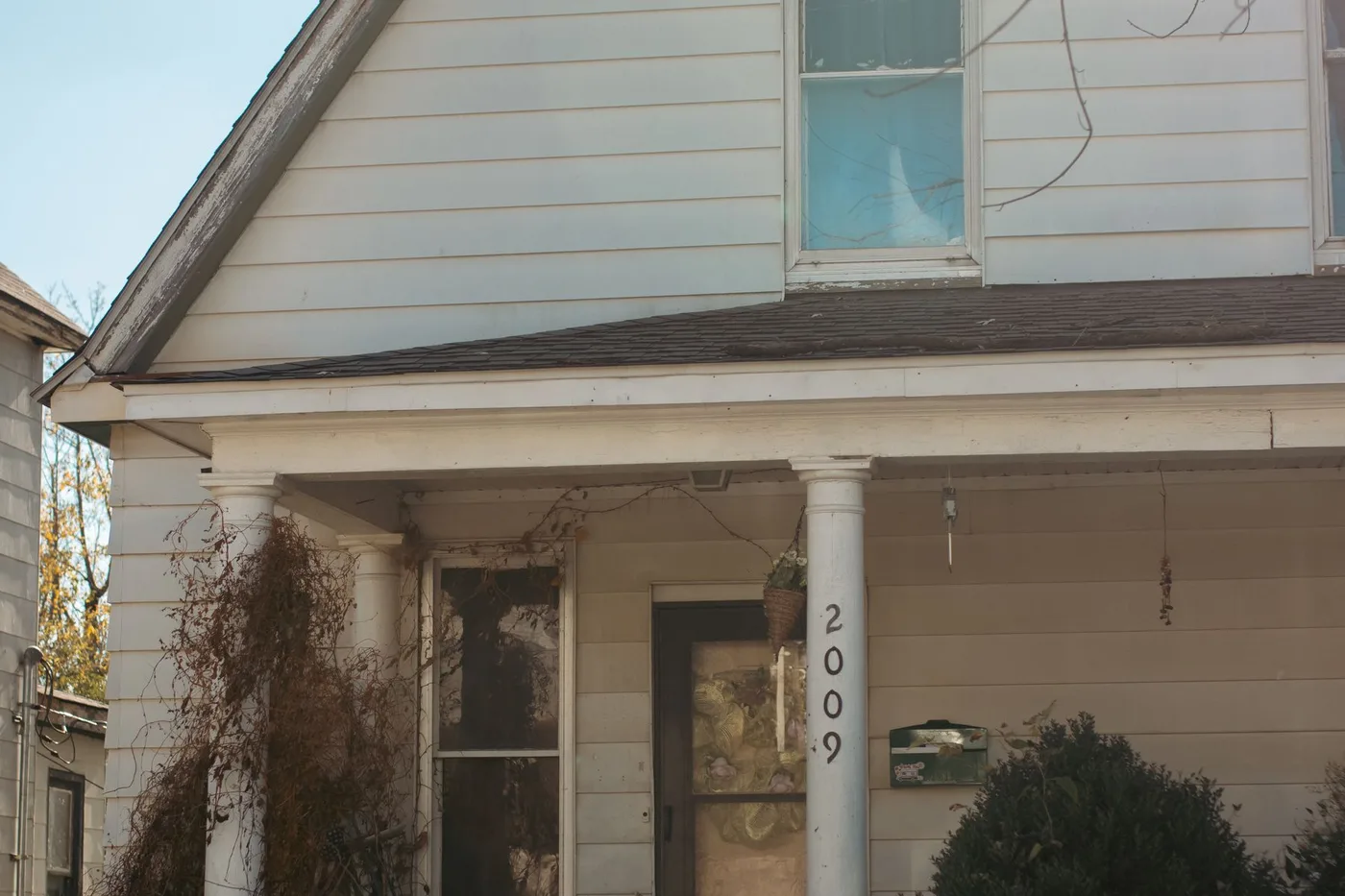
Inheriting a house in Birmingham usually happens at the worst possible moment: you are grieving, there is paperwork you have never seen before, and somewhere across town sits a house full of a lifetime of belongings that is now, somehow, your responsibility. Maybe the will is clear, maybe there is no will at all, and maybe, like a lot of Alabama families, the house has been passed down informally for so long that nobody is sure whose name is actually on the deed. This guide walks through how probate really works in Alabama, the five year deadline that quietly kills unprobated wills, why the small estate shortcut will not help with a house, what heirs' property means and how families untangle it, what taxes actually apply, and, when the family decides to sell, how to sell the house as-is for cash without repairing or cleaning out anything.
Key highlights
- You can start selling before probate wraps up. The closing waits for legal authority to sign the deed, but the offer, the price, and the contract can all happen while probate is moving.
- Alabama gives you about five years to offer a will for probate. Miss that window and the will can become unenforceable, and the house passes as if there were no will at all.
- Alabama's small estate process does not cover real estate. If there is a house, plan on regular probate or a path your attorney maps out.
- Heirs' property, a family home never formally retitled across generations, is common in Alabama. It is fixable, but every heir has a say, and the title has to be cleared before any sale.
- Alabama has no state inheritance or estate tax, and the federal stepped up basis means selling soon after inheriting usually produces little or no capital gains tax.
- You can sell as-is for cash: no repairs, no cleanout, and the belongings you leave behind are handled by the buyer.
The short answer
Yes, an inherited Birmingham house can be sold, and it does not have to consume a year of your life. The estate needs to reach the point where someone has legal authority to sign a deed: the personal representative under a probated will, or the heirs once ownership is settled. That process runs through the probate court in the county where the property sits, for Birmingham that is Jefferson County. While it moves, you can get the house valued, get a real cash offer, agree on terms, and line up the closing so it happens as soon as the authority is in place. The house itself can be sold exactly as it stands, furniture, boxes and all. What actually decides your timeline is the paperwork: a clean will names an executor and moves relatively fast, no will means intestacy rules decide who inherits, and a tangled family title takes the longest. Below is what each of those looks like.
How Alabama probate actually works
Probate is the court process that moves property from the person who died to the people who inherit it. In Alabama it happens in the probate court of the county where the person lived or the property sits. Despite its reputation, for most families it is administrative, not adversarial.
If there is a will
The will is filed with the probate court, the court admits it and issues letters to the personal representative (the executor), and that person now has authority to manage the estate: gather assets, pay debts, and distribute what remains. Many Alabama wills include a power of sale, which lets the executor sell real estate without asking the court's permission for the sale itself. If the will has one, selling the house is mostly a normal closing with extra paperwork. If it does not, the sale may need court approval, which adds time but is routine.
If there is no will
Alabama's intestacy rules decide who inherits, generally the surviving spouse and children in shares set by statute. The court appoints an administrator, usually a family member, and the process otherwise looks similar. The practical difference is that ownership often lands on several people at once, and every co-owner will need to be on board to sell.
What it costs and how long it takes
A straightforward Alabama estate typically runs several months, driven mostly by required notice periods for creditors and the court's calendar. Contested estates take longer. Attorney's fees and court costs come out of the estate, not your pocket. The important thing to know is that the house does not have to sit untouched all that time: securing it, maintaining it, and preparing its sale can all run in parallel.
The five year rule: the deadline families miss
In Alabama, a will generally must be offered for probate within five years of the death. After that, the will can become unenforceable, and the estate passes under intestacy rules as if the will never existed.
This is exactly how family houses end up owned by surprise. Mom left the house to one daughter in a will, nobody filed it, five years pass, and legally the house now belongs to all the children equally. If a will in your family was never probated, see a probate attorney now, while there may still be time.
The five year rule is also why "we'll deal with the house later" is a more expensive decision than it feels. Taxes and insurance keep coming due, the house ages, and the legal window narrows. Handling the paperwork within the first year is dramatically easier than untangling it in year six.
The small estate shortcut, and why it skips the house
Alabama does have a simplified process for small estates, called summary distribution, and families often hope it will let them skip probate. Here is the catch that matters for this article: it covers personal property only, things like bank accounts and vehicles, up to a dollar limit that adjusts over time. Real estate is outside it. If the estate includes a house, the shortcut does not apply to that house, and you should plan on regular probate unless an attorney identifies another path, for example when the home was owned jointly with a right of survivorship and passed automatically to the surviving owner outside probate entirely.
Heirs' property: when the deed was never updated
Now the situation that is practically a Birmingham institution. A house has been "in the family" for decades. Grandmother lived in it, then an aunt, now maybe a cousin. Nobody ever probated an estate or recorded a new deed. Legally, that house is heirs' property: it is owned simultaneously by every living heir of the original owner, each holding a fractional share. There can be five owners or twenty five, some out of state, some who have never seen the house.
Three things follow from that:
- No single person can sell the house alone, no matter who has been paying the taxes or living in it. A sale needs every co-owner's signature, or a court process.
- The title has to be cleared before any closing. That means establishing who the heirs are, often probating one or more estates retroactively, and getting everyone's agreement. A probate or real estate attorney runs this; it is fixable far more often than families assume.
- Alabama law protects these families better than it used to. Alabama adopted the Uniform Partition of Heirs Property Act, which gives co-owners safeguards when one heir tries to force a sale through the courts, including appraisal requirements and the chance for family members to buy out the share first.
If this is your situation, do not let the mess convince you the house is unsellable. It is not. It just has a legal step before the sale, and a buyer who works with estates regularly, ourselves included, can wait on that step and close when the title is ready.
Taxes on an inherited Alabama house: better news than you expect
Taxes are the part people fear most and, in Alabama, the part that usually turns out fine.
- No Alabama inheritance tax, no Alabama estate tax. The state takes nothing for the transfer itself. The federal estate tax exists but only touches multi million dollar estates.
- The stepped up basis is your friend. For capital gains, the house's cost basis resets to its value on the date of death. Sell soon after inheriting and you owe capital gains tax only on appreciation since that date, which is often little or nothing. Hold the house for years and the gain, and the tax, can grow.
- Property taxes are low but can rise on you. Alabama's property taxes are among the lowest in the country. But the owner occupied homestead exemption belongs to a resident owner. An inherited house sitting empty loses it, so the annual bill on the same house can go up while it waits.
None of this is personal tax advice, estates differ and rules change, so confirm your numbers with a tax professional before you count on them. But for most Birmingham families, taxes are not the reason to rush or to wait. The carrying costs and the condition of the house are.
The empty house problem
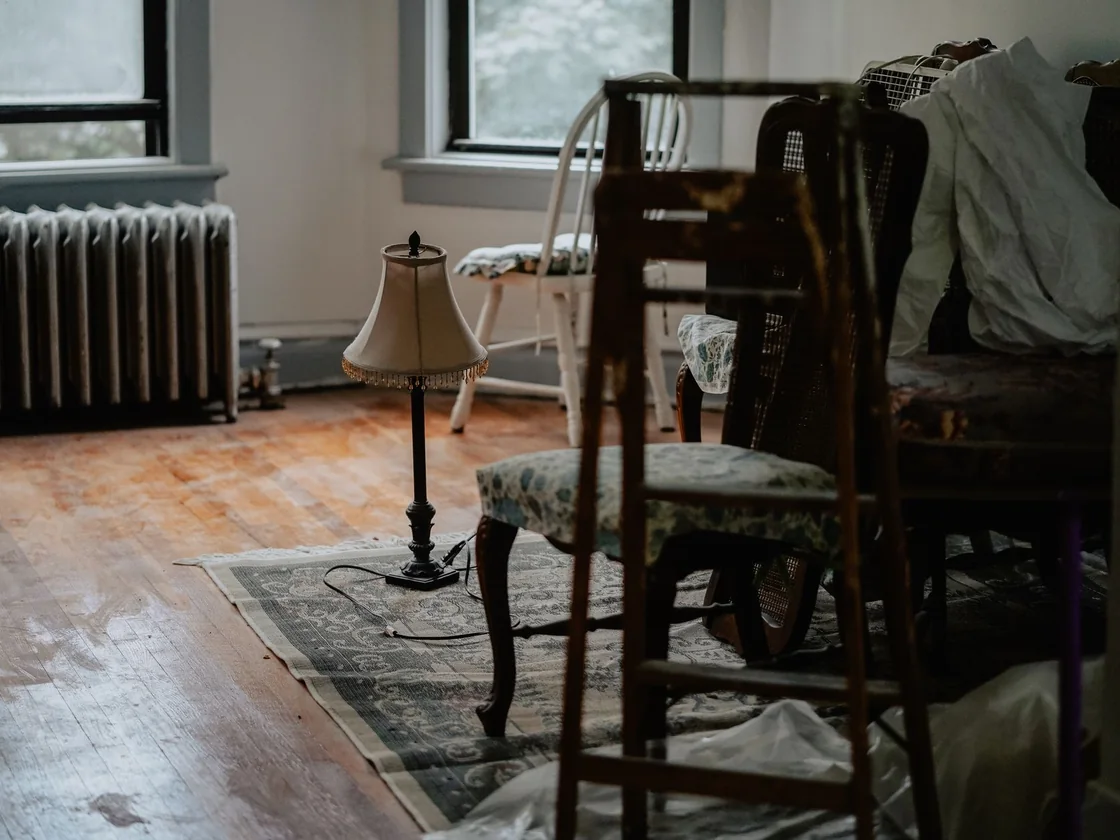
While the family decides, the house waits, and waiting is not free. Insurance on a vacant house costs more, and some policies limit coverage once a home sits empty. Taxes keep accruing, now possibly without the homestead exemption. Alabama heat and humidity work on an unmaintained house quickly: roofs, gutters, and moisture problems do not pause for probate. And an obviously empty house attracts attention, from break-ins to the city's code enforcement if the grass grows tall enough.
Then there is the part nobody warns you about: the cleanout. A parent's house holds decades of belongings, and sorting it is emotionally brutal and physically endless. Families burn entire seasons of weekends on it. Here is the permission you may need to hear: you do not have to empty the house to sell it. Take the photos, the papers, and the things that matter, and leave the rest. An as-is buyer takes the house exactly as it stands, furniture and all, and handles the cleanout after closing.
Your options, side by side
Once the legal authority to sell is in sight, the family has three realistic paths:
| Your option | Best when | The trade-off |
|---|---|---|
| Fix up and list with an agent | The house is in good shape, the heirs agree, and nobody needs the money fast | Months of repairs, cleanout, showings and commissions, with carrying costs running the whole time, and heirs fronting the repair money |
| List as-is with an agent | The house is decent and dated, not broken | Financed buyers still inspect, appraise and renegotiate; rough houses sit on the market, then sell to investors anyway, minus commission |
| Sell as-is for cash | The house needs work, is full of belongings, heirs are scattered, or the family wants it done | The price reflects the condition; in exchange, no repairs, no cleanout, no showings, and a closing date the family picks |
| Keep it and rent it | One heir wants to be a landlord and can buy the others out | Repairs to rental standard up front, ongoing management, and co-ownership friction if the buyout does not happen |
How an as-is cash sale of an inherited house works
The mechanics are simpler than most families expect. You tell the buyer about the house honestly, condition included, and get a written cash offer, typically within a day. If the family says yes, the contract is signed by whoever holds authority, the personal representative, or all the title-holding heirs, and the title company does the rest: confirming the probate paperwork, clearing the title, and paying any liens or back taxes out of the proceeds at closing. Nobody brings money to the table, and the proceeds are split among the heirs per the will or the intestacy shares.
Because there is no lender, the condition of the house cannot break the deal, and there is no appraisal or financing contingency to fall through at week five. That matters for inherited Birmingham houses specifically, because so many carry decades of deferred maintenance that a bank financed buyer's loan would choke on. The closing lands on the date the estate is ready, whether that is three weeks out or three months, and the buyer waits on probate rather than pressuring it.
How Sterling Home Offer helps
We buy houses in Birmingham and across Jefferson County for cash, and inherited houses are a large part of what we do. Here is what that looks like for a family like yours. We make a no-obligation cash offer within about 24 hours, based on the real condition of the house and real comparable sales, not a lowball number to test you. We buy strictly as-is: no repairs, no updating, and no cleanout, take what you want and leave the rest. We work at the estate's pace, alongside your probate attorney and the title company, and if the paperwork needs time, the offer waits for it. And if your situation is heirs' property, we can talk through what clearing the title will take before anyone commits to anything.
If the family is still deciding, these guides cover the neighboring situations: selling a Birmingham house during a divorce, how a probate sale works, what selling as-is really means, and how fast a cash sale really closes. Real seller stories are in our reviews section.
The bottom line
An inherited house in Birmingham is a solvable problem, whatever shape the paperwork is in. If there is a will, get it probated well inside Alabama's five year window. If there is no will, or the deed has not been touched in a generation, a probate attorney can untangle who owns what, and heirs' property protections make that fairer than it used to be. The taxes are milder than you fear, thanks to the stepped up basis and Alabama's low rates. And when the family decides to sell, you do not have to repair anything, clean out anything, or wait for a bank: a cash sale closes on the estate's timeline and turns the house into money the heirs can actually divide. The family home did its job for the last generation. It does not have to become a burden for this one.
Inherited a house in Birmingham?
We buy inherited houses as-is, at any stage of probate. No repairs, no cleanout, no agent fees, and we work at the estate's pace with your attorney and title company. Get a no-obligation cash offer in 24 hours.
Get my cash offer or call (888) 480-5544Birmingham inheritance FAQs
Can I sell an inherited house in Birmingham before probate is finished?
Usually the sale closes after the estate's paperwork gives someone clear authority to sign the deed, but you do not have to wait for probate to finish before starting. You can get an offer, agree on a price, and put the house under contract while probate is still moving, then close once the personal representative has authority to sell. If the will grants a power of sale, court involvement in the sale itself is usually minimal. A title company confirms exactly what your estate needs before closing.
Is there a deadline to probate a will in Alabama?
Yes, and it is a hard one: in Alabama a will generally must be offered for probate within five years of the death. Families who never got around to it can find that the will has become unenforceable, and the house then passes under intestacy rules as if there were no will at all, often splitting ownership among relatives who never expected it. If a parent or grandparent's will was never probated, talk to a probate attorney about your options before the clock becomes the whole problem.
Does Alabama's small estate process work for a house?
No. Alabama's summary distribution process for small estates covers personal property only, things like bank accounts and vehicles, up to a dollar limit that adjusts over time. Real estate is specifically outside it. If the estate includes a house, plan on regular probate, or on one of the paths a probate attorney can map for your specific situation, such as when title passed automatically to a surviving joint owner.
What is heirs' property and why does it matter in Birmingham?
Heirs' property is a family home that has been passed down informally, often across generations, without probate or deeds ever being updated. Legally the house is owned by every living heir at once, sometimes a dozen or more relatives, each with a fractional share, and no one person can sell it alone. It is common across Alabama, especially with older family homes. Alabama adopted the Uniform Partition of Heirs Property Act, which gives co-owner families better protections, but the practical fix is the same: identify all the heirs, get agreement, and clear the title, usually with a probate or real estate attorney. A cash buyer experienced with estates can work alongside that process.
Will I owe taxes if I sell an inherited house in Alabama?
Alabama has no state inheritance tax and no state estate tax, and the federal estate tax only touches multi million dollar estates. For income tax, inherited property gets a stepped up basis: the house is valued as of the date of death, and you only owe capital gains tax on appreciation after that date. Sell reasonably soon after inheriting and the taxable gain is often small or zero. Property taxes in Alabama are among the lowest in the country, but note that an inherited house you do not live in loses the owner occupied homestead exemption, so the annual bill can rise. Confirm your numbers with a tax professional.
The inherited house is full of stuff and needs repairs. Do I have to deal with that before selling?
Not if you sell as-is to a cash buyer. You take the belongings and papers you want to keep and leave everything else, furniture included, and the buyer handles the cleanout. No repairs, no updating, no staging. That matters with inherited Birmingham houses because many have decades of deferred maintenance, and a bank financed buyer usually cannot close on a house in that condition anyway. The cash price reflects the condition, and in exchange the family is done in weeks instead of months.
This article is general information, not legal or tax advice. Alabama probate procedures, deadlines, small estate limits and exemptions change over time, and every estate is different. Confirm your situation with a licensed Alabama probate attorney and a tax professional before making decisions about an inherited home.