
Selling a House With Unpermitted Work: Disclose, Fix, or Sell As-Is
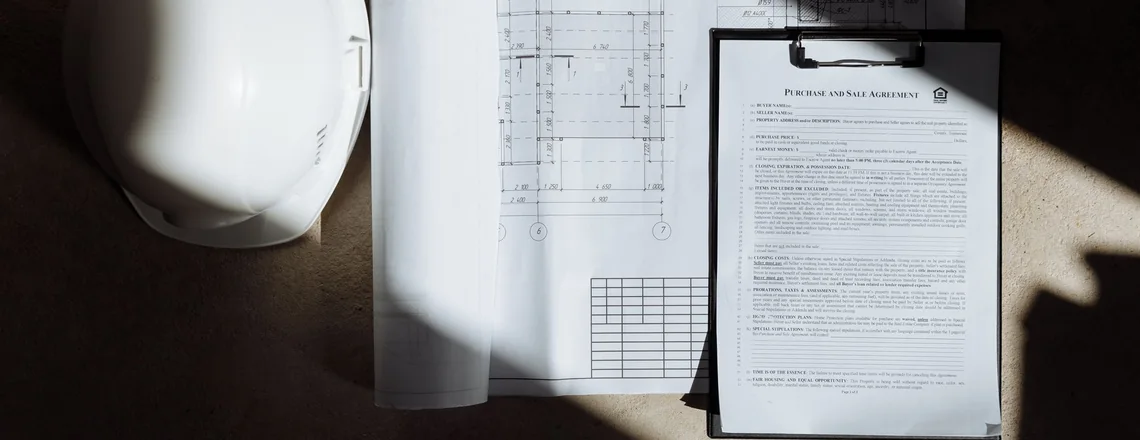
Somebody finished the garage. Somebody enclosed the carport and called it a family room. Somebody put a bathroom in the basement in 1998 and never told the city. Now you want to sell, and a question you have been ignoring for years has a deadline attached to it. Here is the honest version: unpermitted work almost never stops a sale on its own. What it does is narrow your buyer pool, move money around, and punish anyone who tries to hide it. This guide walks through what the word actually means, how it surfaces during a sale, what three states ask you to put in writing, what an after-the-fact permit really costs, and when selling as-is for cash is simply the cheaper answer.
Key highlights
- You can sell it. You cannot hide it. Several states ask about permits and code violations on the disclosure form, by name.
- The permit record is public. The appraiser, the inspector, the insurer or the title company’s municipal search will find the gap, usually at the worst moment.
- Permitting it after the fact costs more than the permit. Expect an investigation fee on top, plus whatever the inspector needs to see behind the drywall.
- A financed buyer brings an appraiser who has to comment on the work, and often gives unpermitted square footage little or no value.
- An as-is cash sale takes the lender and the appraiser out of the decision. You still disclose; the price carries the rest.
The short answer
Yes, you can sell a house with unpermitted work, and people do it every day. You have three real routes. Route one: pull the permit after the fact, let the inspector sign it off, and list a clean house. Route two: list it as-is, disclose the work in writing, and accept that financed buyers will renegotiate or walk when the appraisal comes in light. Route three: sell as-is to a cash buyer, who prices the work in up front and does not need a lender’s permission to close. The one route that is not available is pretending the addition was always there. That is the version that turns a price conversation into a legal one, and it tends to find you after closing, when you have nothing left to bargain with.
What actually counts as unpermitted work
It is broader and more boring than most people expect. The usual suspects are a converted garage, an enclosed porch or carport, a sunroom on the back, a finished basement, an added bedroom or bathroom, a moved wall, a new electrical panel, a water heater relocated to a different room, a deck above a certain height, and a shed above a certain size. Rules are local, and two towns twenty minutes apart genuinely disagree about what needs a permit.
What is not local is the basic principle. Florida writes it into statute in one sentence: it is unlawful for any person to construct, erect, alter, modify, repair, or demolish any building in the state without first obtaining a permit. Most states say the same thing through their adopted building code instead of a headline statute, but the practical rule is identical.
There is a second version that catches people by surprise: the open permit. Somebody did pull a permit, the work got done, and nobody ever called for the final inspection. On paper the job is still in progress, sometimes for twenty years. Florida now lets a local enforcement agency close a building permit six years after it was issued, even with no final inspection, if the agency decides no apparent safety hazards exist. That is a quiet mercy for a lot of older houses, and it is worth asking about before you assume the worst.
How it comes out during a sale

The permit file for your address sits in a public record that anyone can search, usually online, usually for free. Four different people on the other side of your deal have a reason to look at it.
The appraiser. Comparing the square footage on the tax roll with the square footage in the listing is step one of the job, and a converted garage is exactly the kind of gap that shows up there.
The home inspector. Nobody has to tell an experienced inspector that a bathroom was added later. The venting, the floor height, the way the drain was run and the panel that got a new double-tapped breaker all say it out loud.
The title company. In many areas the closing package includes a municipal lien and permit search, which is where open permits and code enforcement cases surface.
The insurer. A carrier writing a new policy asks about the roof, the wiring and the plumbing, and work that no inspector ever looked at makes underwriters nervous.
The expensive version of this is the late version. A disclosed addition is a number you negotiate in week one. An addition the appraiser finds in week five is a renegotiation on the buyer’s terms, after you have taken the house off the market and turned down other offers.
If you already know about it, telling the buyer early is not a confession. It is a cheaper way to sell the same house.
What the disclosure forms actually ask

Disclosure law is state law, so the wording changes as you cross a line on a map. Three examples, because they cover most of the ways states handle it.
Texas asks about permits by name. The seller’s disclosure notice includes a line for “Room additions, structural modifications, or other alterations or repairs made without necessary permits or not in compliance with building codes in effect at that time.” You write yes or no, and if yes, you explain. Texas Property Code 5.008 says the notice goes to the buyer on or before the effective date of the contract, and if you sign a contract without delivering it, the buyer can terminate for any reason within seven days after they finally receive it.
Ohio asks about code violations. The state’s Residential Property Disclosure Form, item L, asks whether you know of “any violations of building or housing codes, zoning ordinances affecting the property or any nonconforming uses of the property.” Ohio also gives the buyer a rescission right if you never hand over the form: they can cancel the contract, but only if the signed rescission arrives before all three of these, the closing date, thirty days after you accepted their offer, and three business days after they received the form.
Florida leans on the permit record itself. There is also a rule here that quietly helps honest sellers and buyers. A local enforcement agency may not deny a permit to, issue a notice of violation to, or fine, penalize, sanction or assess fees against an arms-length purchaser for value, solely because a permit applied for by a previous owner was never closed. The agency keeps all its rights against the owner and the contractor who were named on that permit. So an old open permit from two owners ago is a problem to solve, not a trap that transfers forever.
The common thread across all three is simple. The duty is about what you know. You are not expected to audit forty years of county records, and you are not allowed to answer no to a question you know the answer to. If you are unsure what “selling as-is” does and does not cover, we wrote that out plainly: what selling a house as-is actually means.
Permitting it after the fact: what that really costs
If you want the clean version of the house, this is the route. It is also the route people underestimate, because the permit fee is the small part.
Minnesota’s statewide rule is a tidy example of how the machinery works almost everywhere. When work that needed a permit has already started without one, a special investigation has to be made before a permit can be issued. The investigation fee gets collected whether or not a permit is ever issued, it sits on top of the normal permit fee, and it cannot exceed that permit fee. Other states and cities use different multipliers and different names, but the shape is the same: the permit, plus a penalty for skipping it, plus the cost of proving the work is safe.
That last part is the real bill. An inspector cannot approve wiring, framing or plumbing they cannot see, so finished surfaces come off. Drywall gets opened. Tile gets lifted. Insulation gets pulled. Then current code applies to what they find, not the code from whenever the work was done, which is how a simple garage conversion grows an egress window, a smoke and carbon monoxide detector, a properly sized circuit and a few thousand dollars of scope that was never in the plan.
There is one more wrinkle. The contractor who did the original work may be long gone, out of business, or unlicensed in the first place. Florida, for example, lets the property owner step into the role of owner-builder to close out a permit. Other places require a licensed contractor to take responsibility for work they did not do, and plenty of them will not. Before you budget this route, call the building department, ask what the path looks like for your address, and ask who is allowed to walk it. The math on repairs before a sale is the same math we ran here: how much you actually lose selling a house as-is.
What it does to a financed buyer
This is where unpermitted work stops being paperwork and starts moving real money. Fannie Mae’s selling guide instructs the appraiser, when improvements were completed without the required permits, to comment on the quality and appearance of the work and on its impact, if any, on the market value of the property. Read that carefully. It does not say the loan dies. It says one person, on one afternoon, decides how much your addition is worth, and writes it down.
In practice appraisers are conservative about space that no inspector ever signed off on. If 400 square feet of your house gets valued at close to nothing, the appraisal lands under the contract price, and the buyer either brings cash to cover the gap or asks you to drop. On top of that, some lenders have their own overlays and some insurers decline to cover unpermitted structures, which can sink a deal that cleared the appraisal.
None of this is personal, and none of it is negotiable with the lender. It is just the reason a house with an open question in the permit file tends to sell to somebody who does not have a lender.
Your options, side by side
Four honest routes, with the trade-off written next to each one:
| Your option | Best when | The trade-off |
|---|---|---|
| Permit it, then list | The work is sound, the building department is reasonable, and you can wait out inspections | Permit fees plus an investigation fee, opened walls, current code applied to old work, and a timeline the inspector controls |
| List as-is and disclose | The work is minor, the house is otherwise financeable, and you can absorb a renegotiation | A smaller buyer pool, an appraiser who may assign little value to the space, and the risk of restarting after a deal falls apart |
| Sell as-is for cash | The work is significant, the house has other open items, or you need certainty and a date | The price reflects the work that is left; in exchange, no lender, no appraiser, no repairs and no opened walls |
| Do nothing and hope | Honestly, never, once the house is on the market | The record is public, the inspector is thorough, and an undisclosed answer you knew is the one version that follows you past closing |
How an as-is cash sale works here
The mechanics are dull, which is the appeal. You describe the house honestly, including the addition nobody permitted and the open permit from 2007, and you get a written cash offer. If you accept, a title company takes it from there: confirming title, running the municipal and lien searches, clearing anything that has to be paid out of the proceeds, and preparing the deed. No lender means no appraisal and no financing contingency, so the permit question never gets a vote. The closing lands on a date you choose, often two to three weeks out when the title is clean. If there is a lien or a code enforcement case attached to the work, that gets handled in the closing math rather than out of your pocket; here is how that works in detail: selling a house with a lien on it. And the timeline is not a sales line, it is just paperwork: how fast a cash sale really closes.
How Sterling Home Offer helps
We buy single-family houses for cash, and houses with a converted garage, a bathroom that appeared out of nowhere or a permit somebody forgot to close are routine for us, not a reason to walk. Here is what we actually promise. A no-obligation cash offer within about 24 hours, based on the house as it stands and real sales nearby. Strictly as-is: no repairs, no cleanout, no opening walls for an inspector. No agent commissions and no fees, so the offer is the number you work from. And your date is the date, whether that is two weeks out or after you have moved. Tell us what you know about the work, including the parts you are not sure about. It changes the price, not the answer.
The bottom line
Unpermitted work is a price problem that people turn into a legal problem by staying quiet. Write down what you know, call the building department and ask what closing it out would take, and then compare that number against what a cash buyer will pay for the house exactly as it is. Sometimes the permit is worth pulling. Often it is not, especially when the walls have to come open and the house is one you are leaving anyway. Either way, the version where you say nothing and hope the appraiser is having a slow day is the only one with no good ending.
Got work on the house that nobody permitted?
We buy single-family houses as-is for cash. Converted garages, added bathrooms and old open permits are normal here. No repairs, no fees, no showings. Get a no-obligation cash offer in 24 hours and pick your closing date.
Get my cash offer or call (888) 480-5544Unpermitted work FAQs
Do I have to tell the buyer about work done without a permit?
If you know about it, yes, and in several states the form asks you point blank. The Texas seller’s disclosure notice has a line for room additions, structural modifications, or other alterations or repairs made without necessary permits or not in compliance with building codes in effect at that time. Ohio’s state form asks whether you know of any violations of building or housing codes or zoning ordinances affecting the property. Writing no when you know the answer is yes is the part that turns a price problem into a lawsuit.
Can the city make me tear the work out?
It can order the work brought into compliance, and in the worst cases that means opening walls or removing what was built. In practice most building departments would rather issue a permit and inspect the work than demolish it. What actually happens depends on your local code officials, how safe the work is, and whether anyone has filed a complaint. Nothing here is a promise about your city, so call the building department and ask before you assume either outcome.
How much does an after-the-fact permit cost?
The permit fee itself, plus a penalty for starting without one, plus whatever the inspector makes you fix. Minnesota’s statewide rule is a clean example of the structure: when work that needed a permit has already started, a special investigation has to be made before a permit can be issued, and the investigation fee is collected whether or not a permit is ever issued, on top of the permit fee, though it may not exceed the permit fee. Most jurisdictions work the same way with different numbers. The fees are rarely the expensive part. Opening finished walls so an inspector can see the wiring usually is.
Will a bank lend on a house with an unpermitted addition?
Sometimes, and that uncertainty is the problem. Fannie Mae’s selling guide tells the appraiser to comment on the quality and appearance of work completed without required permits and on its impact, if any, on the market value. So the addition does not automatically kill the loan, but it does hand one person a lot of discretion, late in your deal. Many appraisers give unpermitted square footage little or no value, which can drop the appraisal below the contract price and reopen the whole negotiation.
The work was done by the owner before me. Am I still on the hook?
For disclosure, you only have to disclose what you know, but once you know, you know. For the permit itself, it depends on the state. Florida is unusually direct: a local enforcement agency may not deny a permit to, issue a notice of violation to, or fine, penalize, sanction or assess fees against an arms-length purchaser for value solely because a permit applied for by a previous owner was never closed. The agency keeps its rights against the owner and the contractor who were on that permit.
Can I just sell as-is for cash and skip all of this?
You can skip the permit office, not the disclosure. A cash buyer does not need an appraiser or a lender to bless the work, so the unpermitted addition stops being a deal killer and becomes a line in the price. You still tell the buyer what you know, in writing. That is the trade: the number reflects the work that is left, and in exchange nobody opens your walls and the closing date is yours.
Sources
- Florida Statutes 553.79, Building permits, including the permit requirement in (1)(a), the six year permit closing rule in (16)(c) and the arms-length purchaser protection in (17)(a)
- Texas Property Code 5.008, Seller’s Disclosure of Property Condition, delivery deadline and the seven day termination right
- Texas Real Estate Commission, Seller’s Disclosure Notice (TREC No. OP-H), item 6 on alterations made without necessary permits
- Ohio Department of Commerce, Residential Property Disclosure Form, item L on building and housing code violations, plus the rescission rule under Revised Code 5302.30(K)
- Minnesota Rules 1300.0160, subpart 8, special investigation and investigation fee for work started without a permit
- Fannie Mae Selling Guide B4-1.3-05, the improvements section of the appraisal report, on additions completed without required permits
This article is general information, not legal advice. Building codes, permit rules and seller disclosure duties are set state by state and city by city, and they change. Confirm your own situation with your local building department and a licensed professional in your state before making decisions about your home.