
Selling a House As-Is in Detroit: Disclosure Rules, Suburb Inspections, and How to Skip the Repairs
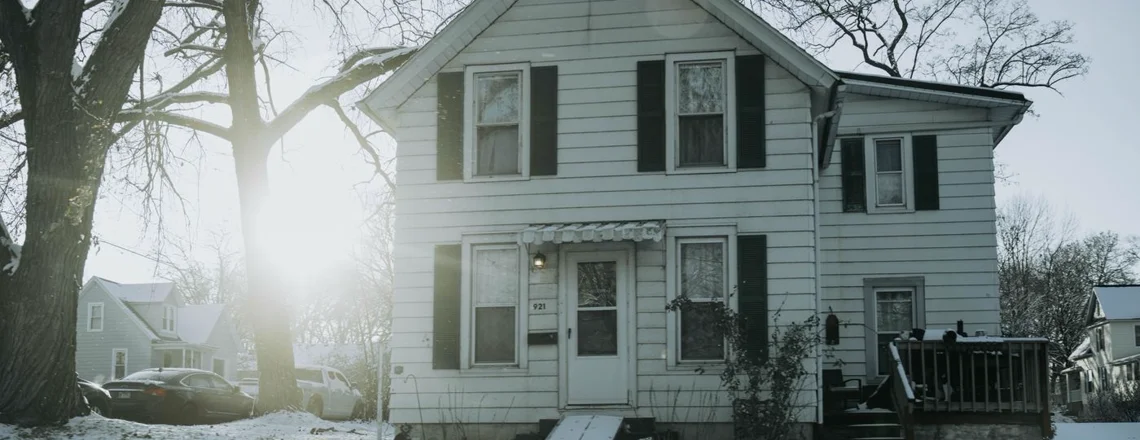
Selling a house as-is means the buyer takes the house the way it stands and you fix nothing. In Detroit that is not just allowed, it is common: this is a city of brick bungalows and colonials built in the 1920s through the 1950s, and a house that has stood through a hundred Michigan winters usually has a list. The roof, the furnace, the porch, the garage, the basement. Plenty of owners stare at that list and quietly decide the house is unsellable, because there is no budget to work through it. The list is real. The conclusion is not. This guide walks through what as-is actually means under Michigan's disclosure law, why the city of Detroit itself has no pre-sale inspection standing between you and a closing while some suburbs do, how blight tickets and old water bills get settled out of the proceeds at closing, and why houses that need real work almost always sell for cash.
Key highlights
- You can sell a Detroit house as-is. Nothing in Michigan law forces you to repair a house before selling it, and Detroit does not require a pre-sale city inspection for a standard owner sale.
- As-is does not cancel disclosure. Michigan's Seller Disclosure Act (Act 92 of 1993) requires a written Seller's Disclosure Statement before a purchase agreement is signed, with exemptions for certain transfers such as some court-ordered, foreclosure and fiduciary sales.
- Some Metro Detroit suburbs run pre-sale inspection programs with a certificate before the home transfers. Westland is one example. Detroit proper is not on that list.
- Blight tickets and unpaid water bills do not block a sale. The title company surfaces them and they get paid at closing out of the proceeds, not out of your pocket up front.
- Bank-financed buyers usually cannot close on a house with serious condition problems, because FHA and VA minimum property standards force repairs before closing. That is why fixer houses trade for cash.
The short answer
Yes, you can sell your Detroit house exactly as it stands: the roof you have been patching, the furnace of uncertain age, the porch brick that is doing its own thing, the rooms full of thirty years of belongings. Selling as-is means the price reflects the condition and you repair nothing, clean nothing, and update nothing. Detroit itself puts no pre-sale inspection between you and the closing table, and the city balances that worry people, blight tickets, an old water bill, get handled at closing by the title company. The practical question is not whether you are allowed to sell as-is. It is who the right buyer is, because a house that needs work will fail a bank's rules long before it fails anything at city hall.
What as-is really means in Michigan, and what it does not
As-is settles one question only: who pays for the condition. The buyer accepts the house as it stands, and you are off the hook for repairs and repair credits. What it does not do:
- It does not switch off Michigan's disclosure law. Under the Seller Disclosure Act, Act 92 of 1993, a seller of residential property gives the buyer a written Seller's Disclosure Statement before the purchase agreement gets signed. It is a checklist of what you personally know about the house: the roof, the basement, the wiring, the plumbing. You are not required to crawl into spaces you cannot reasonably reach, and the law carves out exemptions for certain transfers, including some court-ordered, foreclosure and fiduciary situations. What the law never allows, as-is or not, is covering up a problem you know exists. That is the road to a fraud claim long after the closing check cleared.
- It does not lower your price twice. A common fear: if I admit the furnace is dying, the offer drops again. With a cash buyer it works the other way. The offer was already built assuming an old Detroit house with old Detroit problems, so honest answers change nothing except the buyer's confidence in you.
Because nearly everything here predates 1978, add one federal form to the pile: the lead-based paint disclosure. Paperwork only. Nobody is making you repaint anything.
Detroit's housing stock: what usually fails, and why that is normal
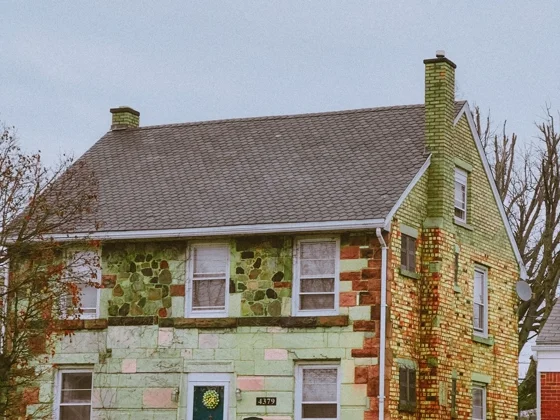
Most of Detroit was built in one great burst, the 1920s through the 1950s, when the auto plants were hiring and whole neighborhoods of brick bungalows and colonials went up in a few years. A house from that era has stood through the better part of a century of freeze and thaw, and it carries the age in predictable places: the roof and gutters, the furnace and water tank, original wiring behind plaster walls, galvanized plumbing, porches and chimneys shedding mortar, moisture in the basement, a garage off the alley leaning a few degrees off plumb.
Recognize your house in that paragraph? Good, because there is nothing exotic on that list. Every investor working Detroit carries a mental price tag for each of those items and quotes houses like yours weekly. And notice what the list is really telling you: an aging house does not need a repair, it needs a campaign of them, and running that campaign on your own dime, on a deadline, for a house you are trying to walk away from, is usually the worst version of the math. Condition is an input to the price. It was never a reason you cannot sell.
Detroit vs the suburbs: where pre-sale inspections apply
Here is a distinction that saves Detroit sellers real worry. Unlike Cleveland, where a ring of suburbs runs point of sale inspection programs, and unlike a number of Metro Detroit suburbs themselves, the city of Detroit does not require a pre-sale city inspection for a standard owner home sale. If your house is inside Detroit proper, there is no municipal inspection certificate standing between you and a closing.
Cross a city line and the answer can change. Several Wayne County suburbs run their own pre-sale programs. Westland is a documented example: the city inspects the home before it transfers, writes up what fails code, and issues a Certificate of Approval once the repairs are handled, with a route for the buyer to take over the repair list on a deadline instead of the seller doing the work. Other suburbs have their own versions, each with its own forms, fees and enforcement, and these programs get revised, so do not rely on what a neighbor did in a different city or a different year.
- House in Detroit proper: no point of sale inspection. Your sale runs through a title company like anywhere else.
- House in a suburb: call that city's building or housing department and ask two questions: does a sale require an inspection or certificate, and can the buyer assume the repairs. Get the answer for your address, this year.
- Either way: an investor buyer who works your city already knows the local forms and deadlines, and prices them in. The paperwork is our routine, not your burden.
Blight tickets, water bills, and other city balances
Detroit issues blight violation tickets for things like overgrowth, debris and failure to maintain a property, and an empty house you inherited or moved out of can quietly collect a few. Water and sewer balances stick to the property too. Sellers sometimes treat these balances like a locked door: I owe the city, so I cannot sell.
In practice they are line items, not locks. When a real closing runs through a title company, the title search surfaces what is owed, the amounts are settled at the closing table, and they are paid out of the sale proceeds, not out of your savings beforehand. A buyer who works in Detroit expects this. What does not work is the informal route, sliding the house to someone on a handshake and hoping the balances vanish, because they surface in the title search either way, and until a real closing happens they stay attached to the property and to you. If back property taxes are part of your picture, that clock has its own rules and deadlines, and we wrote a separate guide on selling a Detroit house with back taxes that walks through the Wayne County timeline honestly.
City paperwork does not kill Detroit sales. Mismatched buyers do. Put a rough house in front of a mortgage buyer and the deal has two extra judges, the inspector and the lender, and either one can veto it weeks in. Put the same house in front of a cash buyer and the tickets, the balances and the condition are simply rows in the offer math, cleared through title at closing.
Why bank financing dies on houses that need work
Here is the pattern that burns months for Detroit sellers. The house goes on the market, a buyer falls for it, a contract gets signed, and then the buyer's loan takes over the process. FHA and VA programs will not fund a house below their minimum property standards, so the moment the appraiser writes up the roof, the flaking pre-1978 paint, a cracked window or a furnace that will not fire, the lender answers with a repair list of its own: fix these or there is no loan. The seller who chose as-is because the repair money does not exist is now being ordered to spend it by a bank, and the contract collapses.
A conventional loan softens this only a little. The appraisal still has to reach the price, and the buyer's inspection report becomes round two of negotiation, where everything you declined to fix returns as a demand for credits. All the while the house keeps billing you: taxes, insurance, utilities, and through a Michigan January, heat for empty rooms so the plumbing survives. None of this means listing is wrong for a solid house. It means the market for a rough one is narrower than it looks: in practice, houses that need real work change hands for cash, and every month spent testing that rule has a carrying cost with your name on it.
The real cost of fixing it up first

Renovating first is a legitimate strategy for the right owner: cash on hand, no deadline, and a house where the work would actually show up in the sale price. If that is you, run the numbers, you may come out ahead. But walk in with open eyes. Roofs and furnaces are four and five figure line items on their own, an old house serves its repairs in chains rather than one at a time, and the calendar belongs to contractors, permit offices and reinspections rather than to you. Every one of those weeks, the house keeps costing money to own. If what pushed you toward selling was a thin budget, a death in the family, or a move that already happened, renovation asks you to spend precisely what you do not have.
Set that against the as-is trade, stated plainly. Yes, the cash number on a rough house sits below the after-repair fantasy number, because someone else is absorbing the repairs, the surprises, and the months of carrying costs. In return you spend nothing, list nothing, and pick the closing date. Which trade wins is a question about your house and your life, not a slogan. If you want the honest arithmetic, our guide on what cash buyers actually pay lays it out with real numbers.
Your options, side by side
Four realistic paths for a Detroit house that needs work:
| Your option | Best when | The trade-off |
|---|---|---|
| Renovate, then list | Money and months are not a problem, and the work would truly lift the price | You front every repair at retail, contractors own your calendar, and the payback is a hope, not a promise |
| List as-is with an agent | The house is livable and simply looks its age | Mortgage buyers bring appraisers and inspectors, so the repair conversation happens anyway, and a genuinely rough house ends up with an investor after months, less the commission |
| Sell as-is for cash | Real repairs are needed, city balances exist, or the calendar matters more than the last dollar | The offer prices in the condition; you skip repairs, showings and financing roulette, and title clears the city items at closing |
| Walk away and let it sit | Never | Blight tickets accumulate, an empty Detroit house gets noticed quickly, and the Wayne County tax clock does not pause for anyone |
Why a cash sale fits an as-is house
List every obstacle from this article in one column: repair money you do not have, FHA property standards, the appraisal, the inspection renegotiation, the contract that dies in financing week. Now notice they share a single root. Each one exists because the standard playbook was written for tidy houses and mortgaged buyers. Take the mortgage out of the transaction and the column mostly empties itself. Nobody is appraising, nobody is enforcing minimum standards, no financing contingency is waiting to detonate five days before closing. What is left is a price that already told the truth about the house on day one, and a date on the calendar.
The city side gets simpler too. A buyer who works Detroit constantly knows what a blight ticket is and what to do with it, expects the water bill to be settled at the table, and, in a suburb with a pre-sale program, knows the local certificate and how to take over a repair list. The closing runs through a title company, the city gets its paperwork, and the obligations that were chained to you transfer, in writing, to someone whose business is clearing them.
How Sterling Home Offer helps

Houses that need work are not the exception in our Detroit pipeline, they are the pipeline. The process stays deliberately short. Tell us about the house as it really is; the offer is assembled from actual condition and actual nearby sales, so honesty costs you nothing and fiction helps no one. Within about 24 hours you have a cash number and zero obligation to take it. Say yes and your to-do list stays empty: no repairs, no painting, no cleanout, take what matters to you and abandon the rest to us, down to the boxes nobody in the family will open. The city side, blight tickets, water balances, a suburb's certificate forms, runs through the title company at the closing table. No lender means no lender's calendar: you name the date, the title company wires the money.
If your situation is bigger than the house itself, we have guides for those too: selling a Detroit house with back taxes covers the Wayne County tax timeline, and for the basics, see what selling as-is really means and how fast a cash sale really closes. If you are comparing buyers, read how to avoid cash buyer scams, it names the red flags honestly. Real seller stories are in our reviews section.
The bottom line
Nothing about a worn Detroit house locks its owner in place. The law asks for an honest disclosure form, not a renovation. The city of Detroit asks for no pre-sale inspection at all, and the suburbs that do ask have written procedures a working buyer knows by heart. The scary balances, tickets and water bills come off the top at closing rather than out of your savings. What remains is a single honest fact about the market: banks do not finance rough houses, cash does. So get the cash number for the house exactly as it stands today, put the true all-in cost of renovating next to it, and choose like it is a business decision, because it is one. Whichever way you choose, there is a door out of this, and it is not blocked.
Selling a Detroit house that needs work?
We buy houses as-is across Detroit and the metro, blight tickets and all. No repairs, no cleanout, no agent fees, and the paperwork handled at closing. Get a no-obligation cash offer in 24 hours.
Get my cash offer or call (888) 480-5544Detroit as-is FAQs
Can I sell my Detroit house as-is, without making any repairs?
Yes, and it happens in Detroit every week. As-is means the offer is made for the house in today's condition, and the repairs become the buyer's job after closing. Michigan has no law that makes you fix a house before selling, and Detroit runs no pre-sale city inspection for a standard owner sale. The real question is the buyer: banks rarely finance houses with serious condition problems, so the working market for them is cash buyers who quote the condition into the price.
Do I still have to fill out a disclosure form if I am selling as-is?
In most standard sales, yes. Michigan's Seller Disclosure Act, Act 92 of 1993, requires the seller of a residential property to give the buyer a written Seller's Disclosure Statement before a purchase agreement is signed, and selling as-is does not remove that. The form covers what you actually know, and the law does not make you inspect areas you cannot reasonably reach. There are exemptions for certain transfers, including some court-ordered, foreclosure and fiduciary sales. Hiding a defect you know about can come back as a fraud claim, so answer honestly.
Does Detroit have a point of sale inspection like some suburbs do?
No. The city of Detroit does not run a point of sale inspection program for a standard owner-occupied home sale. Some Metro Detroit suburbs do: Westland, for example, inspects the home before it transfers and issues a Certificate of Approval, and either the seller completes the repairs or the buyer takes them over on a deadline. Every city writes its own rules and they change, so if the house is outside Detroit proper, call that city's building department and ask what applies to your address before you list.
I have blight tickets or an old water bill on the house. Can I still sell?
Usually yes. Outstanding blight tickets, unpaid water bills and similar city balances are exactly the kind of items a title company surfaces and settles at closing, paid out of the sale proceeds rather than out of your pocket up front. A cash buyer who works in Detroit expects this paperwork and builds it into the process. What does not work is ignoring the balances and hoping they disappear, because they surface in the title search either way.
Why do bank-financed buyers keep falling through on houses that need work?
Because the lender judges the house along with the buyer. FHA and VA loans carry minimum property standards, so when the appraiser writes up a bad roof, flaking pre-1978 paint or mechanicals that do not run, the lender makes the loan conditional on those repairs being done first. A seller who cannot fund repairs is back at square one, weeks later. Conventional loans push the same fight into the appraisal and inspection negotiation instead. Either way, rough Detroit houses keep circling back to cash buyers.
How fast can I sell a Detroit house as-is for cash?
The pace is set by title work rather than a bank, because the deal has no loan and no appraisal in it. At Sterling Home Offer the cash offer arrives within about a day of getting the property details, and the closing date is yours to pick, commonly within a couple of weeks once title is clear. The cleanout is on us: take what you want from the house and leave everything else.
This article is general information, not legal advice. Pre-sale inspection ordinances, certificate requirements, fees and enforcement differ by city and change over time, and Michigan disclosure requirements have exemptions that depend on your specific transfer. Confirm the current rules with your city's building or housing department, and please talk to a licensed Michigan attorney or a title company about your specific sale before making a decision about your home.